Shotgun Ammo for Home Defense
Shotgun ammo for home defense matters more than most people realize. This guide breaks down buckshot choices, recoil, and patterning realities so you can make informed decisions.
Some of the links in this post are affiliate links. That means if you buy something, I might earn a small commission — it doesn’t cost you anything extra, and it helps keep the content coming.
Introduction: Shotgun Ammo for Home Defense
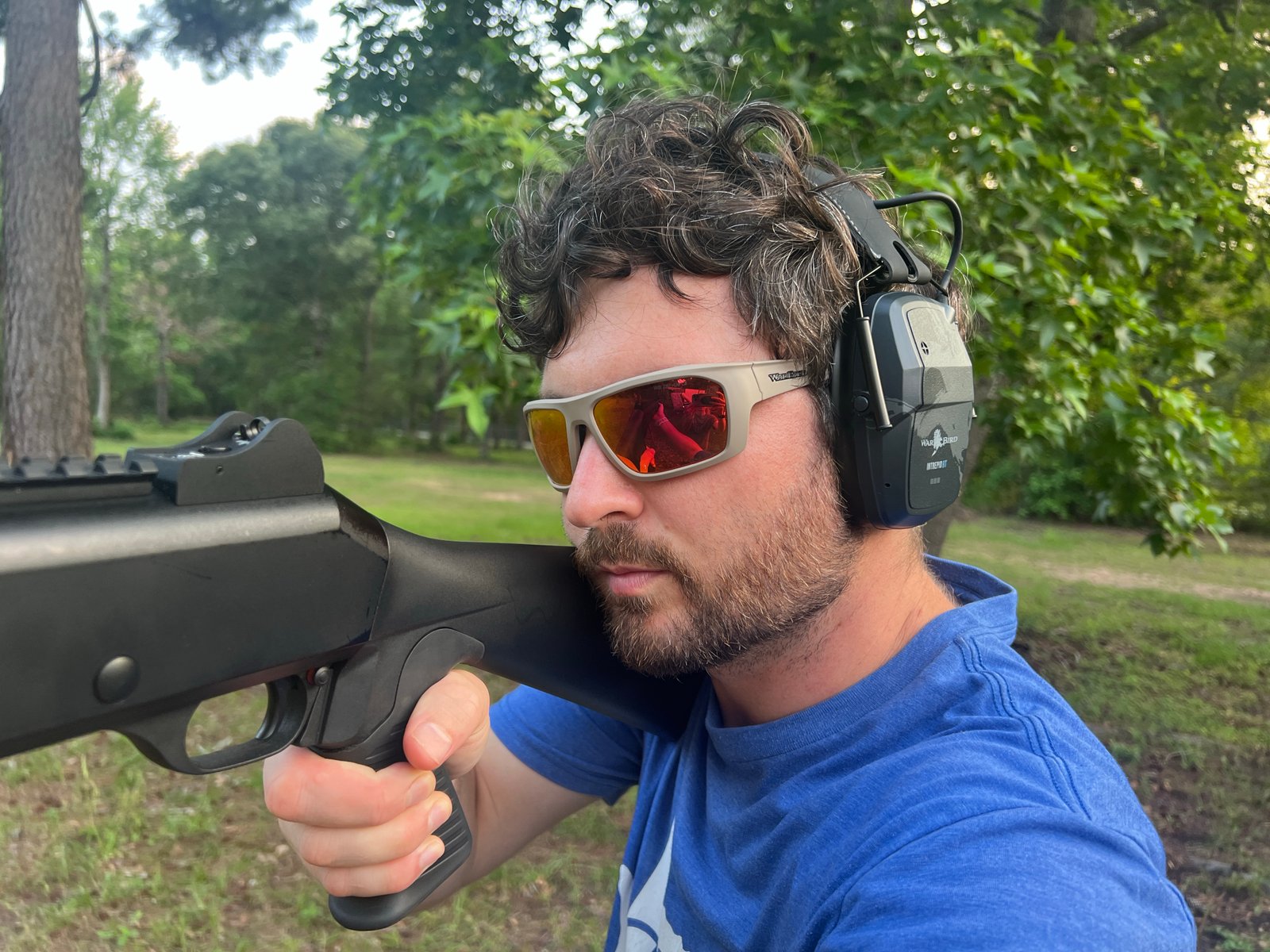
Shotguns are often recommended for home defense, and with good reason. They can be relatively simple and very effective because of buckshot’s characteristics. The flip side is reduced capacity, increased recoil, and poor maneuverability.
That is why shotgun ammo matters so much.
With handguns and rifles, people argue about caliber and bullet design. With shotguns, the shell you choose can change recoil, pattern size, and how predictable the gun feels from shot to shot. Buckshot is not just “buckshot,” and patterning your shotgun is not optional if you want to know what your shotgun is really doing.
This article will focus on shotgun ammo for home defense. If you are looking for home-defense theory, check out Home Defense Setup: What Actually Matters and Home Defense Ammunition Explained.
Buckshot Is a Category and Not a Specific Shotgun Load
Many people talk about buckshot as if it were one load. It is not.
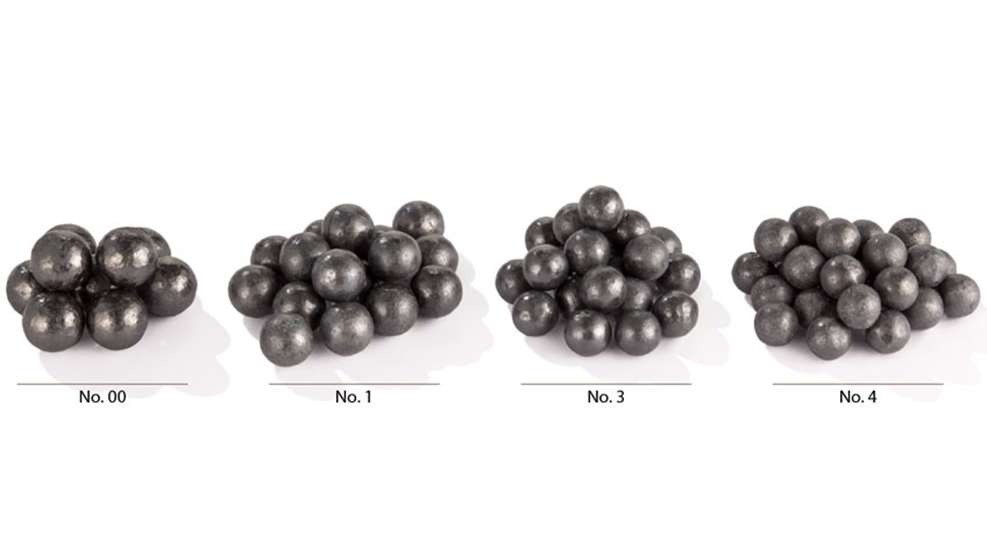
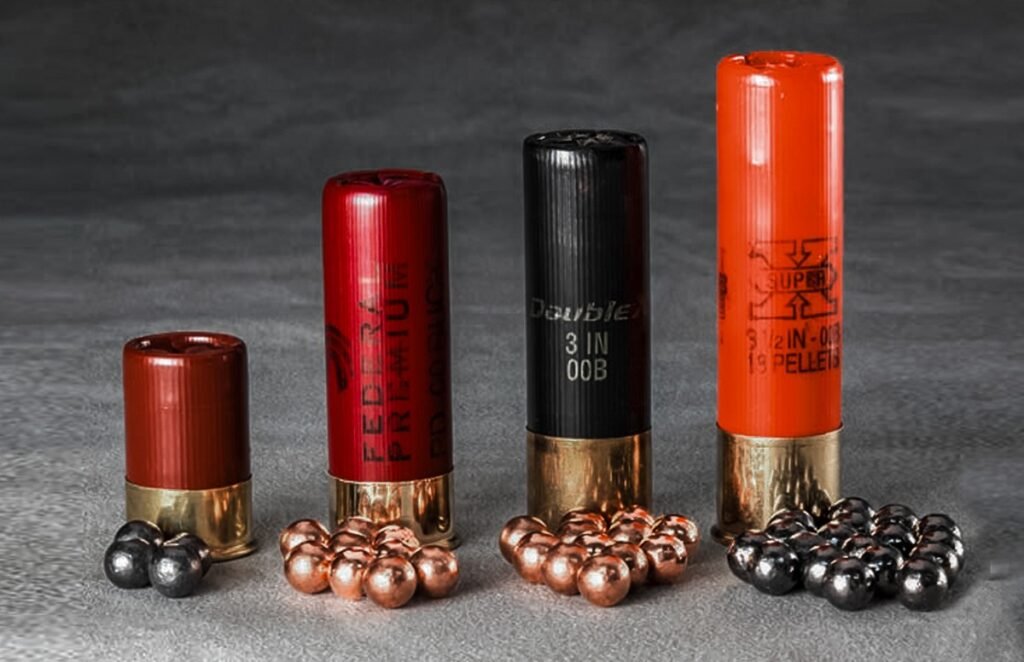
Buckshot comes in many flavors for many purposes. Shotgun ammo for home defense is usually discussed in one of three or four flavors: #4 Buck, #1 Buck, and 00 Buck. You will also find those who use 0 Buck, though this seems less common than the three already mentioned.
The difference between each of these loads is pellet size and pellet count. Bigger pellets mean fewer pellets. Smaller pellets mean more pellets. The trade-off between small and more, larger and less is the whole conversation.
There are also differences within a buckshot size. There are variations in:
- Pellet count
- Velocity
- Buffering (filler material in a shell)
- Wad design
These details, while they may seem minor, affect how your shell functions and how you pattern the load.
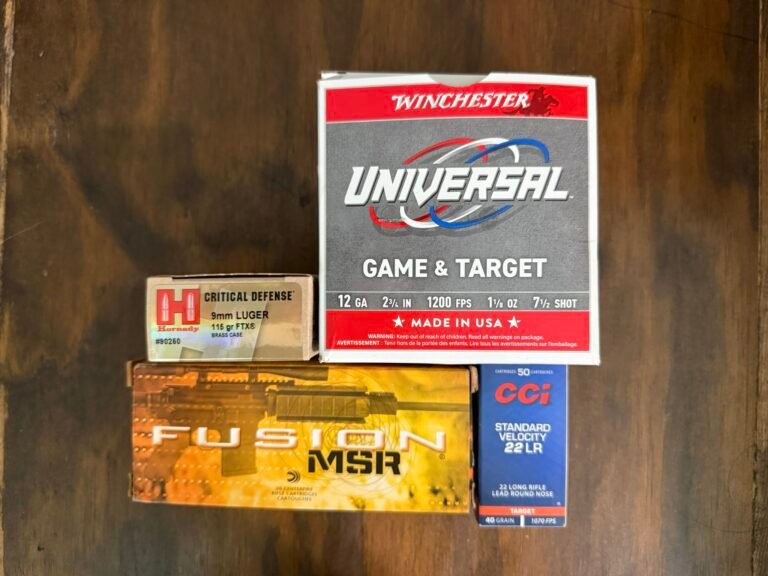
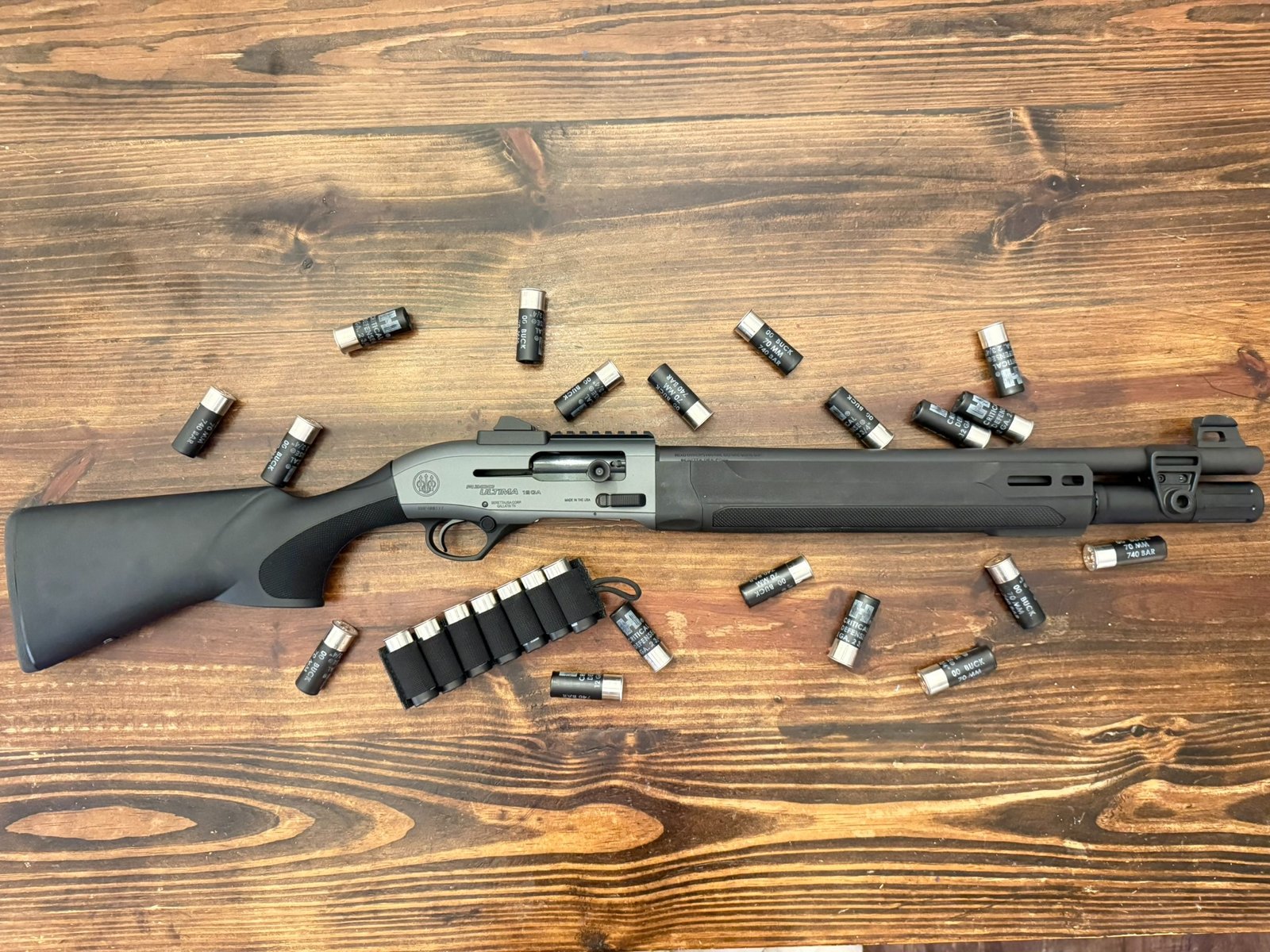
A good example is Hornady Critical Defense 00 Buck. Critical Defense is my current go-to for home-defense shotguns. It isn’t necessarily the best, but it is very good. I have a lot of faith in Hornady Ammunition, and I value its consistency and controllability in my shotguns. In my experience, Critical Defense offers predictable recoil and patterns well.
When selecting your ammo loadout, think about it this way:
- Select a shot size that makes sense for your environment and goals.
- Pick a quality loadout from a reputable manufacturer in your preferred shot size.
- Pattern the load in your shotgun.
- Stick with it unless you have a reason to change.
Quality 00 Buckshot Offerings
00 buckshot loads worth considering.

Hornady Critical Defense 12-Gauge
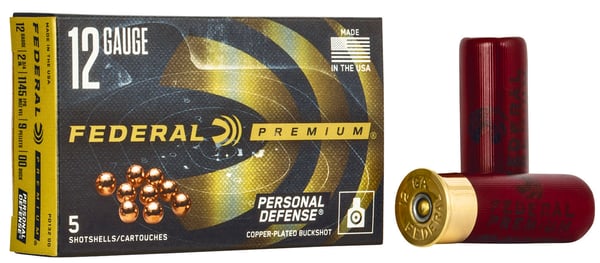
Federal Premium Personal Defense 12-Gauge

Hornady American Gunner Reduced Recoil 12-Gauge
Disclosure: Retailer links may be affiliate links. If you buy through them, The Armed Outdoorsman may earn a commission at no additional cost to you.
Recoil Matters
Especially with pump guns. A lot of advice on shotguns skips discussing recoil. It should not.
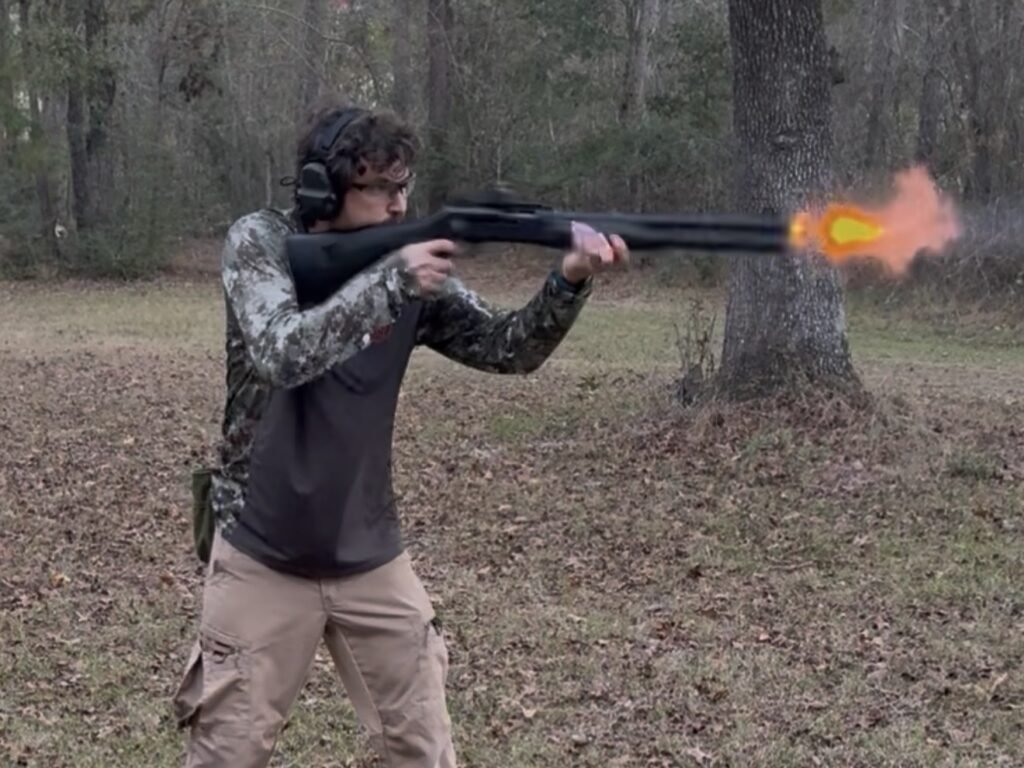
Recoil matters because it affects how quickly you recover, how well you mount the gun for the next shot, and how cleanly you run the action. Plus, if we are being honest, recoil also affects how often you actually practice with your shotgun. Nobody likes shooting a gun that beats them up every range session.
Recoil is where the discussion about pump guns gets real.
The Mossberg Maverick 88 Security is one of the most recommended and therefore common “first defensive shotguns.” The price, the reputation, and the reliability all make it a great choice. The downside is that a pump shotgun coupled with defensive buckshot can be punishing. Even if you know what you expect, most shooters don’t want to spend all day behind a pump shotgun. Sharp recoil can play havoc with a shooter’s ability to run their firearm effectively as well. People will start short-stroking the pump, flinching, and rushing follow-up shots.
Even heavier pump shotguns like the Mossberg 590 won’t erase recoil. They can help, but you can’t ignore physics. If the recoil of your chosen load makes you slower and less consistent, then recoil is another factor in your ammo decision.
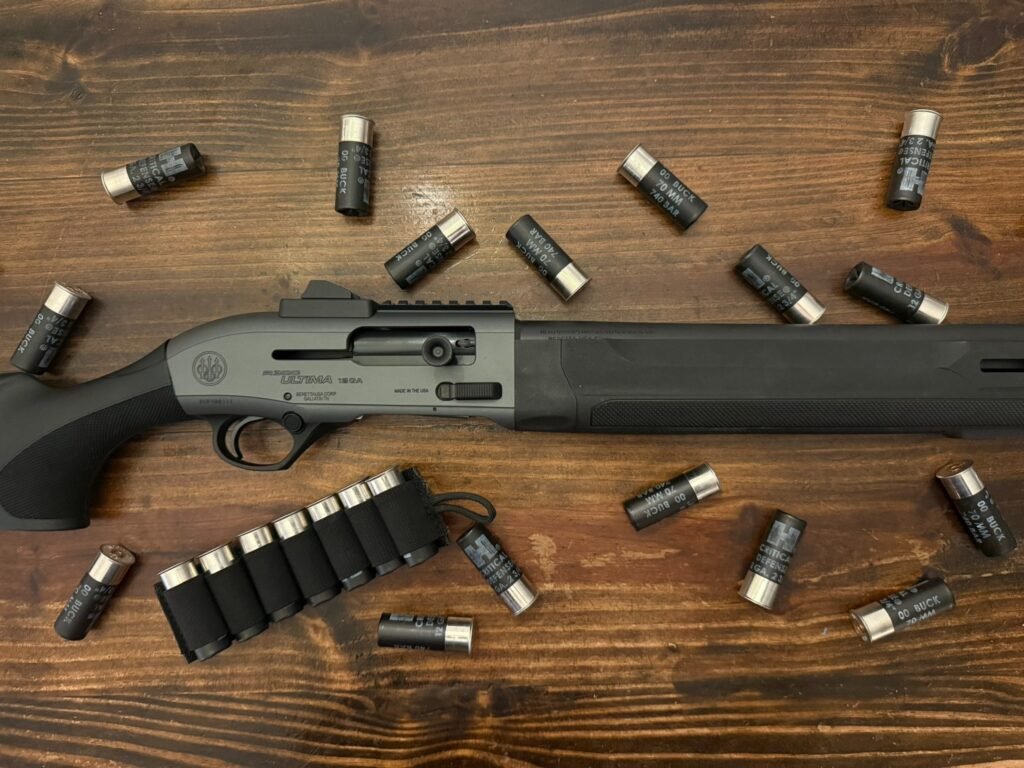
This is the strongest argument for reduced-recoil buckshot loads in pump shotguns. When I bought my first pump shotgun as a new shooter, I chose to run reduced-recoil loads for this very reason. Reduced-recoil loads are not a gimmick either. They can make the shotgun easier to run, especially for newer shooters or those who are recoil sensitive.
Reduced-Recoil vs Full-Power Buckshot
With pump-action shotguns, reduced-recoil loads can be a great fit. The shooter manually cycles the action. You are not relying on a gas or inertia system to run.
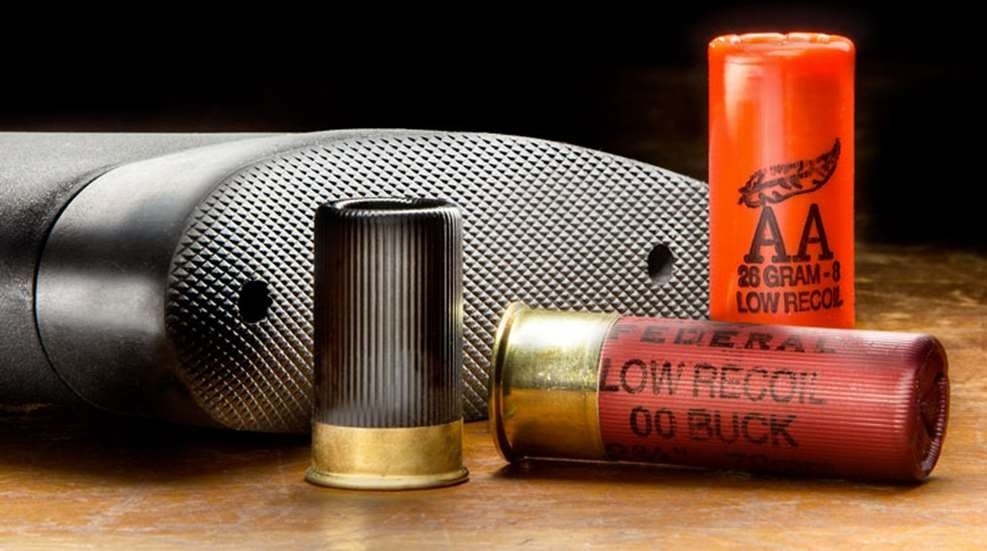
The biggest benefit of using reduced-recoil loads is control. Better control of your shotgun lets you shoot more accurately and recover faster. Reduced recoil also makes practice more tolerable, which is huge for familiarity and competence with a home defense firearm.
With semi-auto shotguns, the conversation changes to reliability. I have at times experienced issues with light recoiling loads in semi-automatic shotguns. I don’t feel the same level of need for reduced-recoil loads in a semi-auto since the firearm’s operating system also helps to reduce felt recoil.
There is nothing wrong with using reduced-recoil loads in a semi-auto shotgun, but you do need to confirm that any loading you select is completely reliable.
You Still Have to Aim
If you have never patterned buckshot out of your shotgun, the biggest surprise is how tight it is at typical in-home distances.
A shotgun does not throw a cloud of pellets that completely fills the hallway. It throws what we call a pattern. The pattern can be tighter or looser depending on the shotgun, the choke (if your shotgun uses one), and the load. Two different loads can behave very differently out of the same barrel.
Some questions you should be asking when selecting your defensive loads:
- How big is the pattern at realistic distances?
- Is the pattern centered where I am aiming?
- Does this load do the same thing every time?
These patterning questions need to be answered for all of your shotguns.
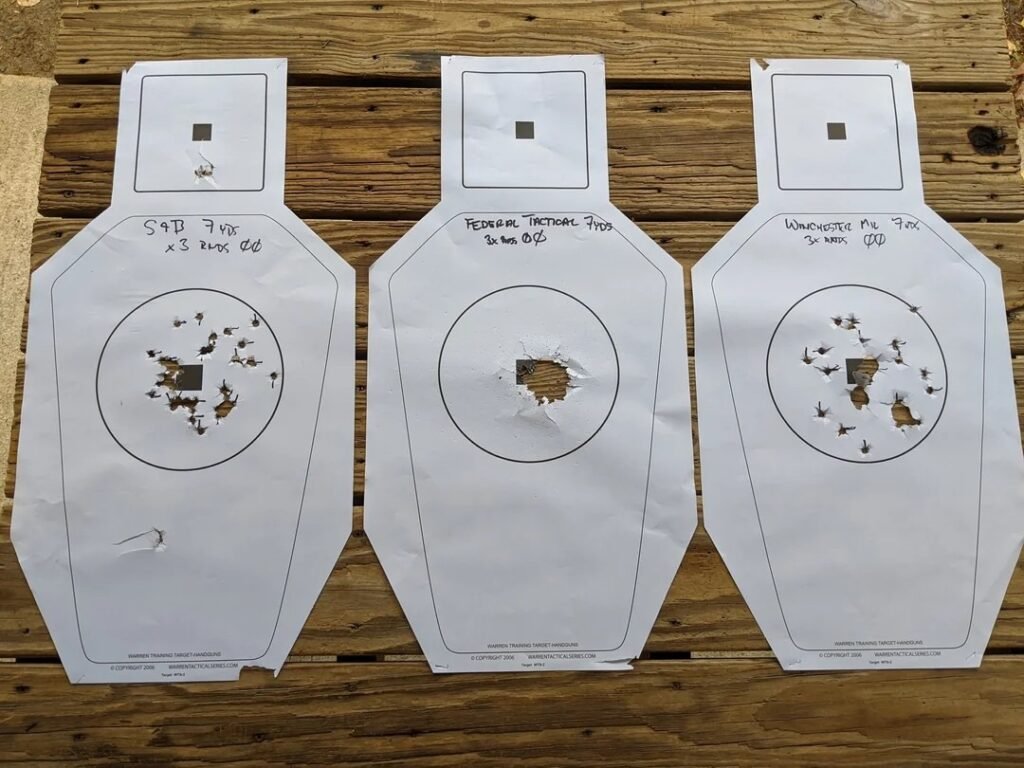
Steps to take when Patterning
- Use your actual defensive load, not cheap birdshot
- Shoot at a realistic distance for your home
- Fire multiple rounds, not one
- Look at pellet distribution, not just overall size
- Confirm the point of aim versus the point of impact
Make sure you do this for any potential shotgun load.
12 Gauge vs 20 Gauge
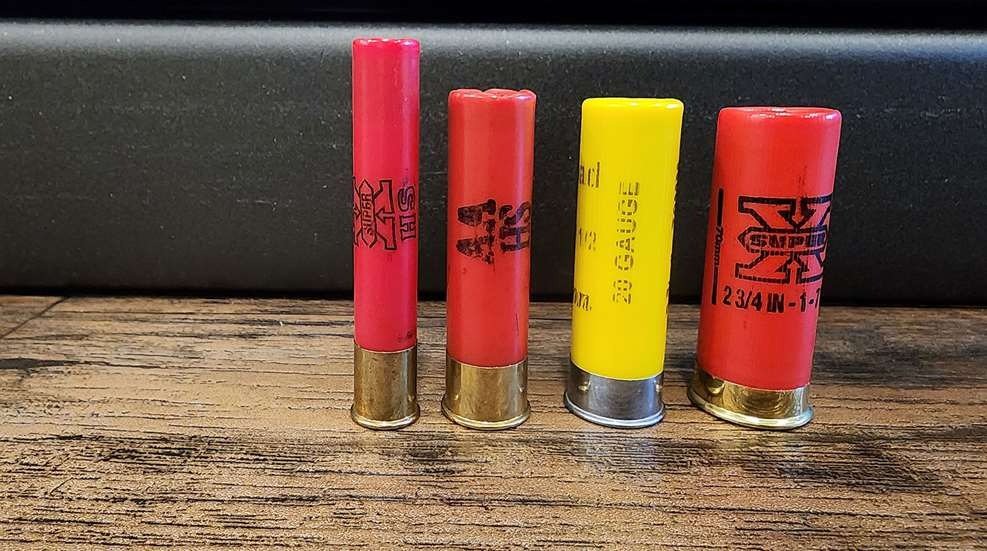
Most discussions of defensive shotguns and their ammo assume you are talking about 12 gauge. This makes sense, as a 12-gauge gives you the widest selection and the most functionality.
That said, 20 gauge is not to be slept on. If recoil is a major concern for you or someone else who may need your shotgun, a 20-gauge can be a better real-world fit.
If you already own a 12-gauge shotgun and shoot it well, you are good to go. If recoil is holding you back from practicing, a 20-gauge shotgun deserves a serious look.
Shell Wear: Storage and Rotation
Shotshells are durable, but storage still matters.
If you keep your shotgun loaded, with shells in the magazine tube, make sure you check them occasionally. Look for dented hulls, corrosion on the metal base, damaged crimps, anything that looks “off.” Basically, if a shell looks off, replace it.
Common Shotgun Ammo Myths
Myth: “You don’t have to aim.”
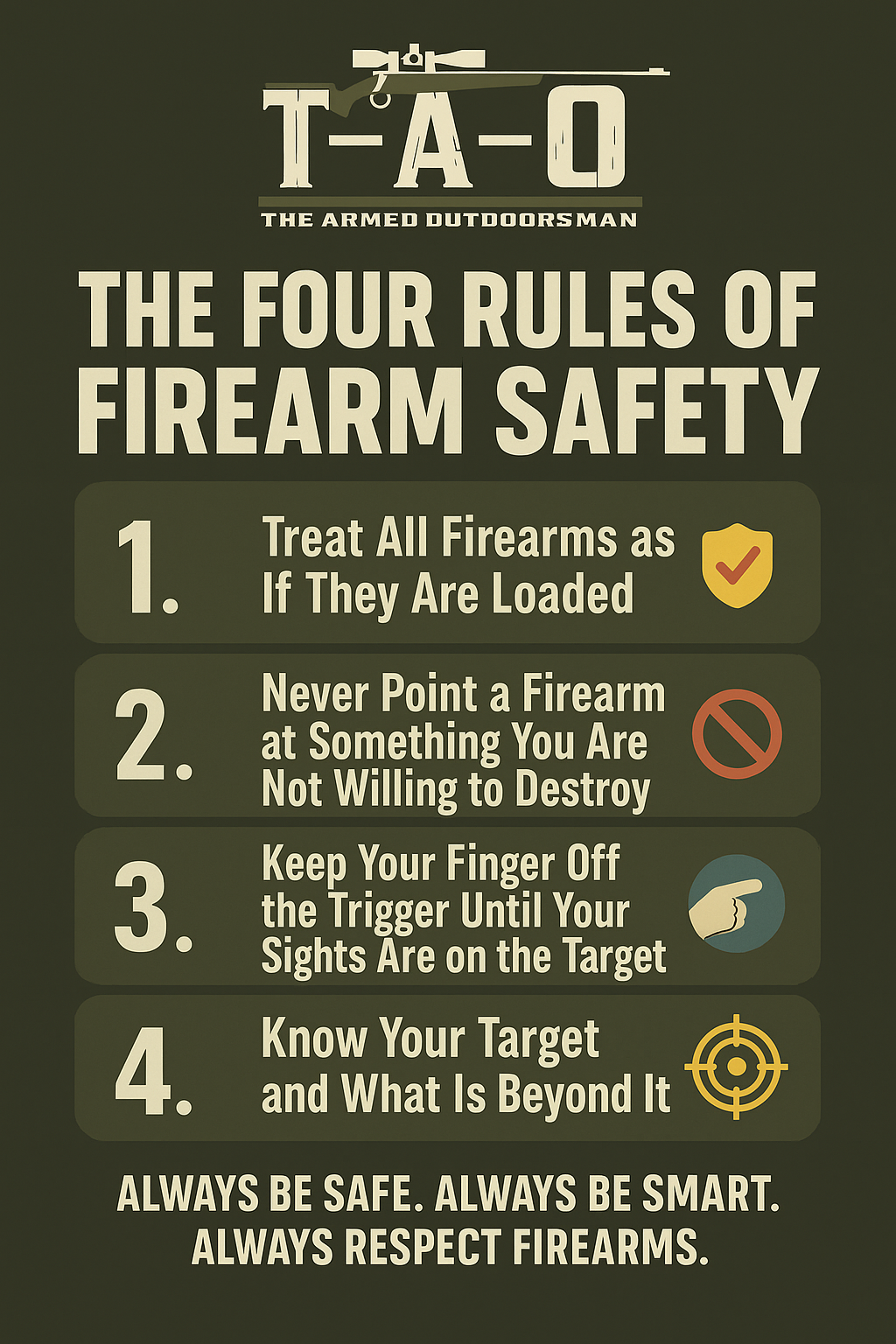
You do. Patterns are tighter than you think. Plus, you still need to follow the four rules of gun safety.
Myth: “Any buckshot is fine.”
Sometimes it is, but usually it is not. Two loads labeled “00 Bucks” can pattern and recoil differently.
Myth: “More pellets always means better.”
More pellets can be good, but pellet size matters too.
Myth: “Birdshot is the safe home-defense choice.”
I understand your grandpa or uncle used birdshot, and it worked fine for them. The issue is multifaceted and complex when it comes to birdshot. I am not arguing that with you.
The reality is, if you feel threatened enough to justify shooting something with a shotgun, you are threatened enough to need something more effective than birdshot. Using a shotgun to defend yourself means you genuinely fear for your life and the lives of your loved ones. You are doing everything in your power to stop the threat. Nothing more, nothing less. Birdshot does not do that.
Myth: “Slugs are just better.”
Slugs are a different tool. They hit hard, recoil hard, and pose a high risk of overpenetration in a home environment. I am not treating slugs as a home-defense load.
Last Words
People want simple answers, even when simple answers don’t exist. Deciding on which shotgun ammo is right for you falls into this category. I wish I could say use XX ammo from XX manufacturer and you were set, but it simply isn’t that easy.
Buckshot selection matters. Recoil matters. Patterning matters. If you want your shotgun to perform optimally, your ammo selection matters.
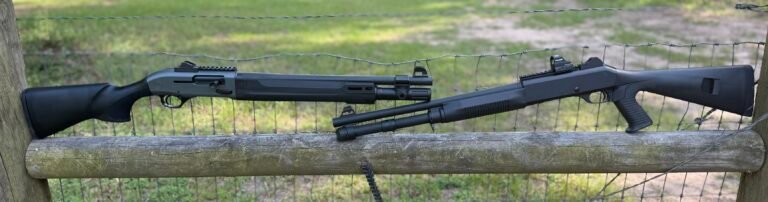
Whether you are running a pump like the Mossberg Maverick 88 or the Mossberg 590, or a semi-auto like the MAC 1014 or Beretta A300 Ultima Patrol, the process when selecting your ammo is the same. Choose a quality buckshot load you can control, pattern it in your shotgun, and stick with what you know.
FAQ: Shotgun Ammo for Home Defense
Is 00 Buck always the best choice?
No. It is widely available and has proven effectiveness, but it is not the only workable option. Your environment, patterning, and controllability should guide the decision.
Should I mix buckshot, birdshot, and slugs in the same tube?
I do not like mixing loads in my defensive firearms. It adds complexity and can create surprises. Pick a load you trust, then commit to it.
Does reduced-recoil buckshot make sense?
It can, especially in pump shotguns. If it helps you shoot more accurately and stay in control from shot to shot, it is worth considering.
What buckshot do you keep in your home-defense shotguns?
Right now, I am using Hornady Critical Defense 00 Buck.