DNT Hydra HS635R Review: An Excellent Thermal Scope
DNT provided the Hydra HS635R for testing and review.
Introduction: DNT Hydra HS635R
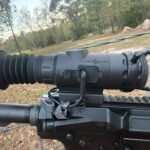
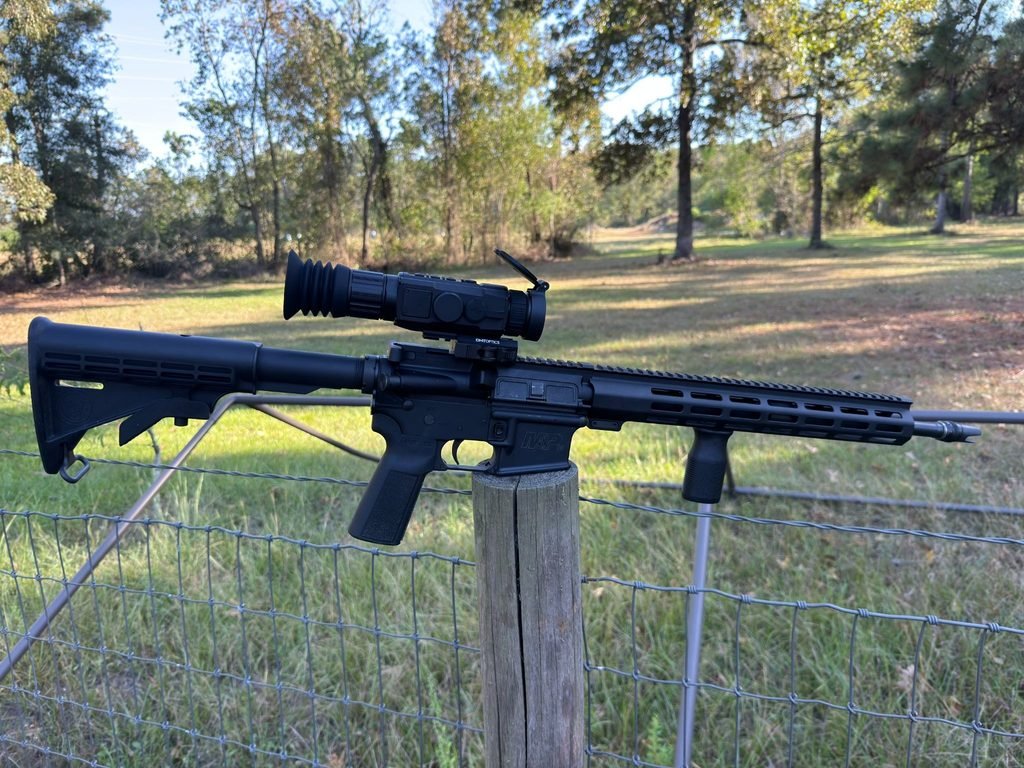
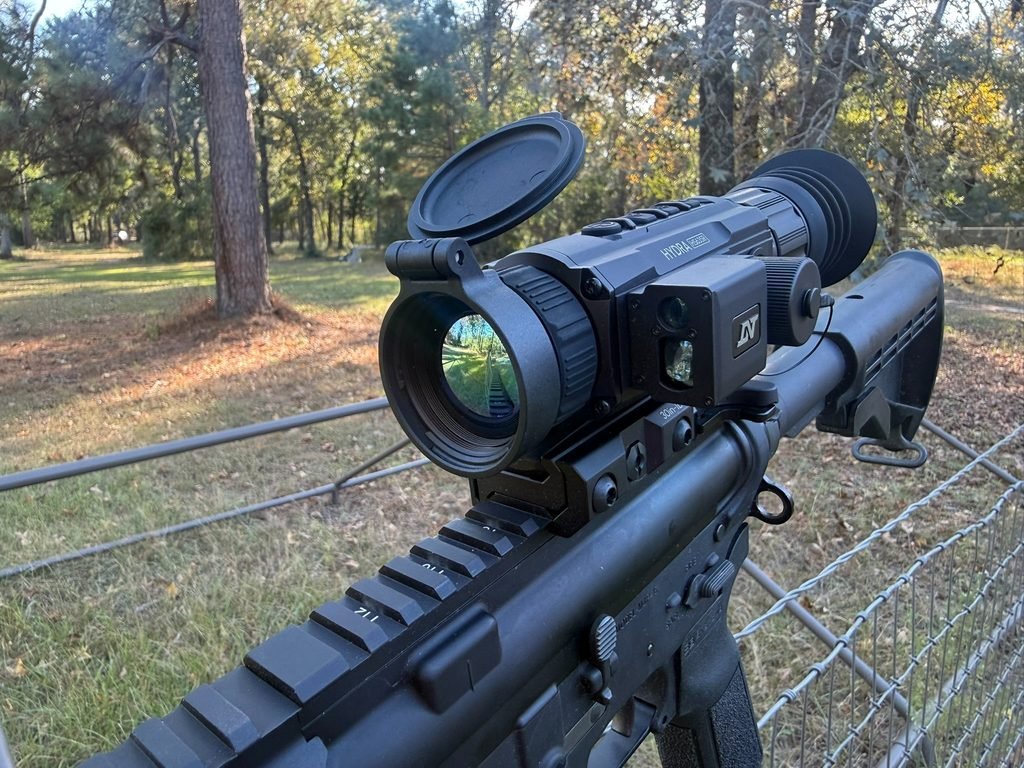
The DNT Hydra HS635R is a very versatile thermal optic. I used the DNT Hydra HS635R as a rifle scope on my AR-15, a handheld thermal, and a clip-on in front of a Primary Arms 3X prism. Add an integrated laser rangefinder, ballistic calculator, onboard recording, and a 640-resolution thermal sensor, and there is a lot packed into a relatively small package.
Of those three configurations, I preferred the Hydra mounted directly on my rifle. It was useful as a handheld thermal, but I was less impressed with the clip-on setup.
DNT Hydra HS635R Features and First Impressions
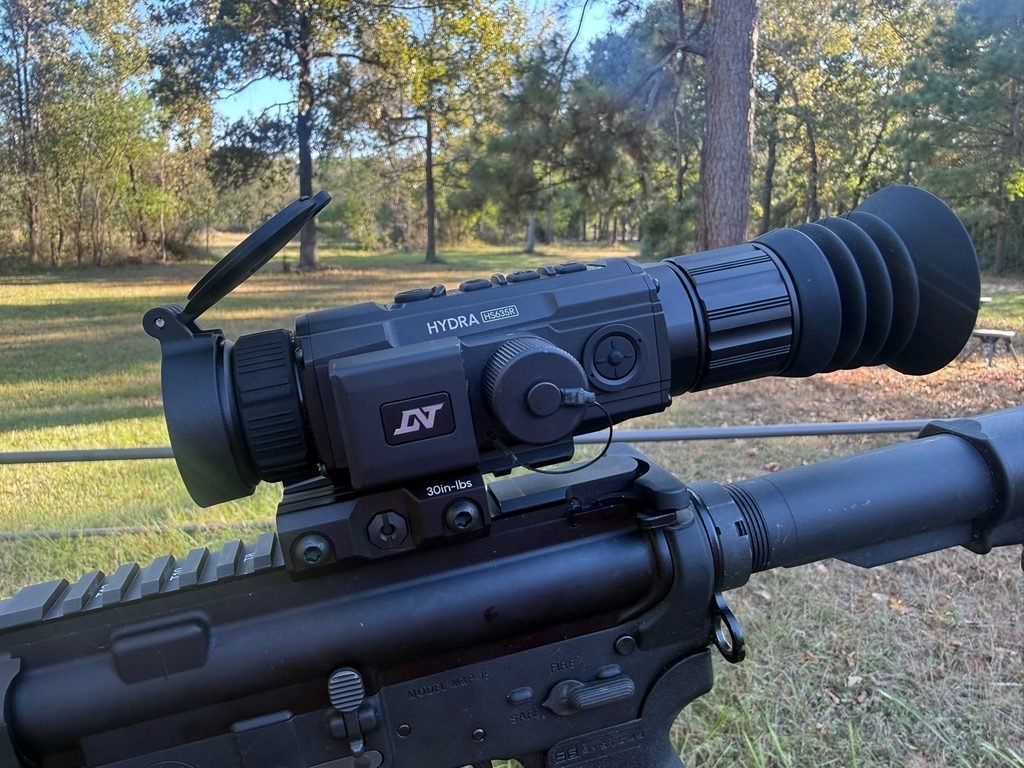
The image was the first thing that impressed me when I looked through the Hydra.
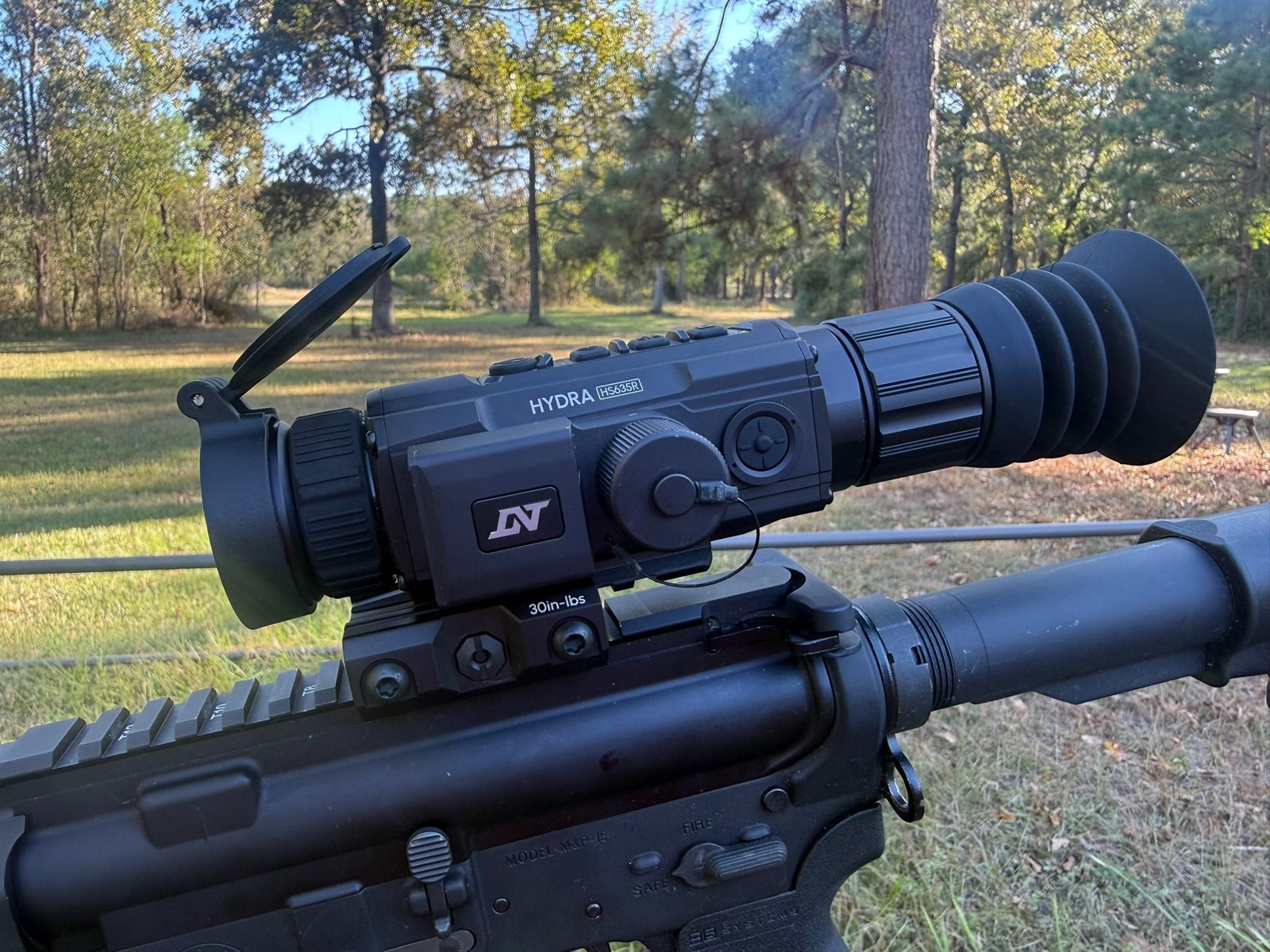
The HS635R uses a 640×512, 12-micron thermal sensor with a 50 Hz refresh rate and a thermal sensitivity rating of ≤18 mK. It pairs that sensor with a 35mm objective and 1.5x base magnification. In use, I could make out plenty of detail and generally had little trouble identifying what I was looking at.
DNT also equips it with a laser rangefinder rated from 5 to 1,300 yards, 32 GB of internal storage, Wi-Fi connectivity, and replaceable 18650 batteries.
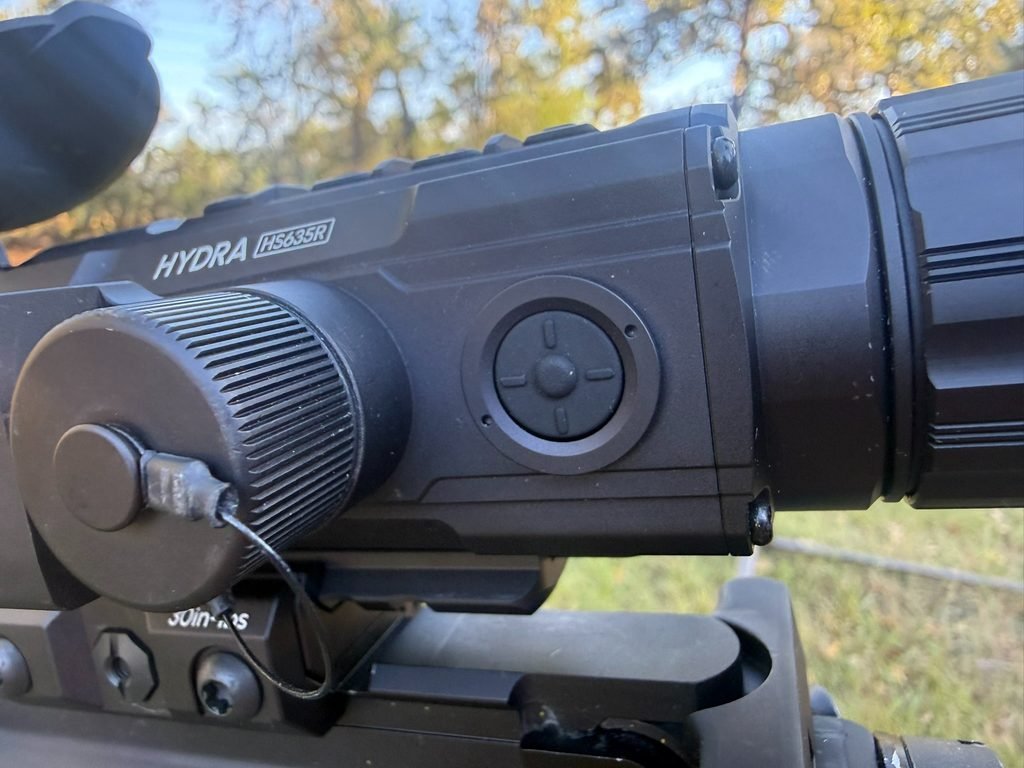
Despite the long feature list, the Hydra does not feel overly complicated. I had no trouble figuring out the controls, adjusting focus, or getting the Hydra mounted and zeroed.
DNT Hydra HS635R Performance as a Thermal Scope
I put roughly 200 rounds through my AR-15 with the Hydra mounted, most of them at about 100 yards. I wish that number were closer to 2,000, but ammo isn’t cheap.
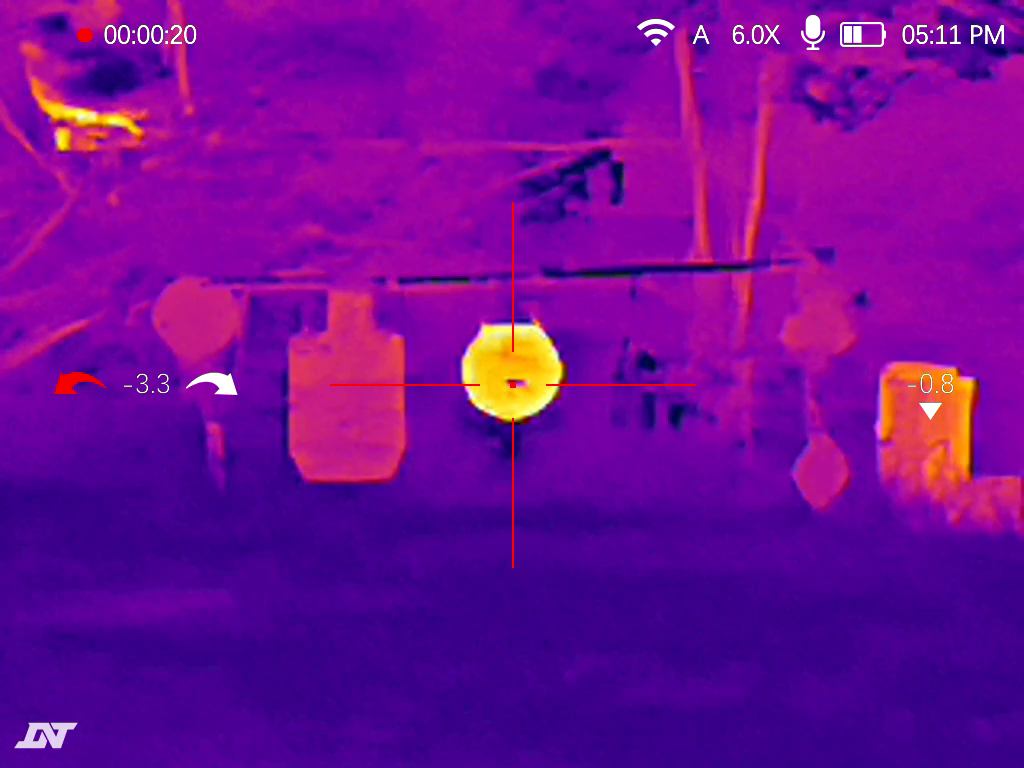
Zeroing was simple, and the Hydra held zero throughout testing. Targets were easy to identify, and I preferred the Hydra’s field of view to that of my Sightmark Wraith digital night-vision scope.
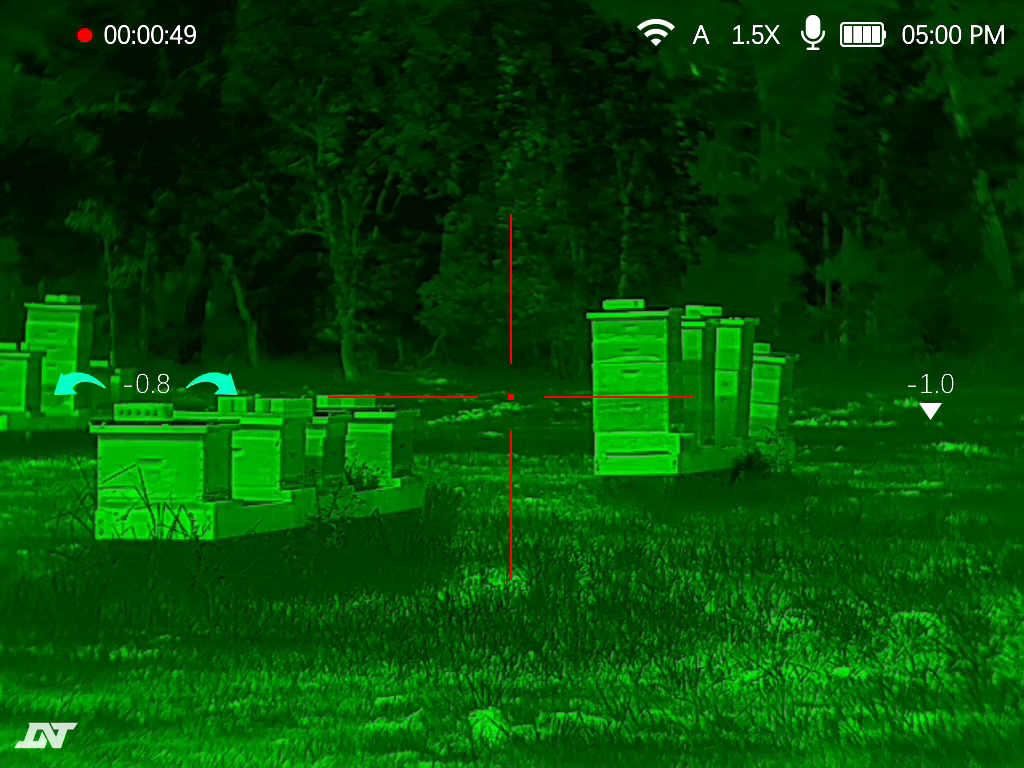
Outside of shooting, I used the Hydra to observe animals, vehicles, buildings, vegetation, and deliberately heated objects at roughly 200 to 300 yards. I also looked at my active beehives and could see heat coming from them.
The integrated laser rangefinder also performed well. I compared its readings against a separate laser rangefinder I already own, and the distances were consistent enough that I came away confident in the Hydra’s rangefinder.
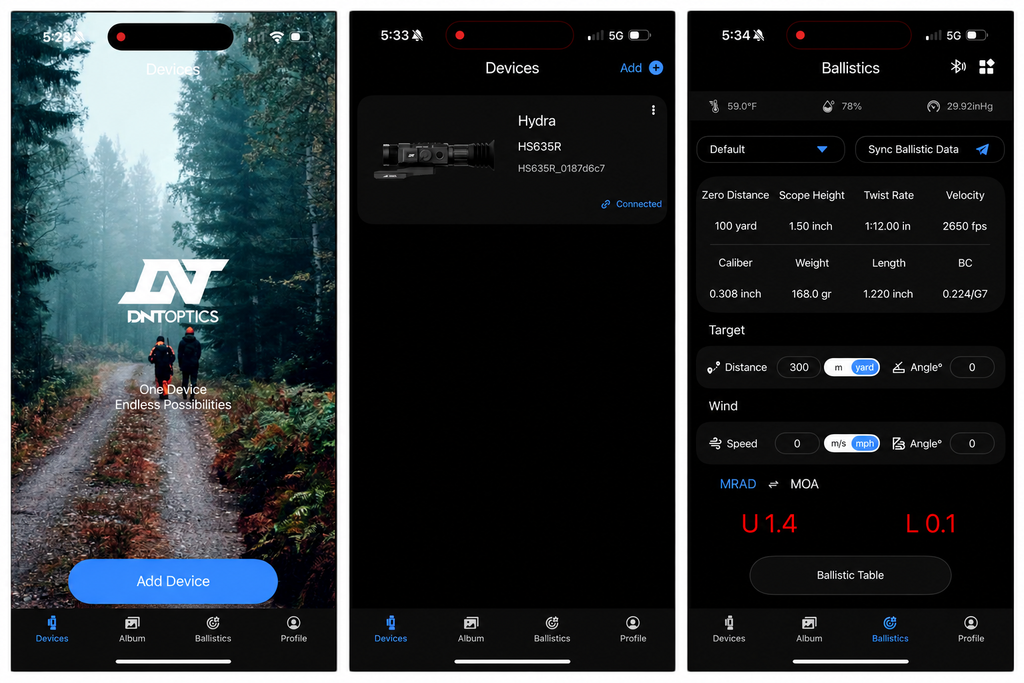
I did not test the onboard ballistic calculator. My available shooting distances were simply not long enough for it to provide much practical value, so I would rather leave that feature unevaluated.
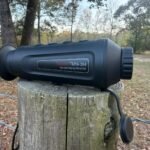
Performance as a Monocular: Hydra vs. AGM Taipan TM19-384
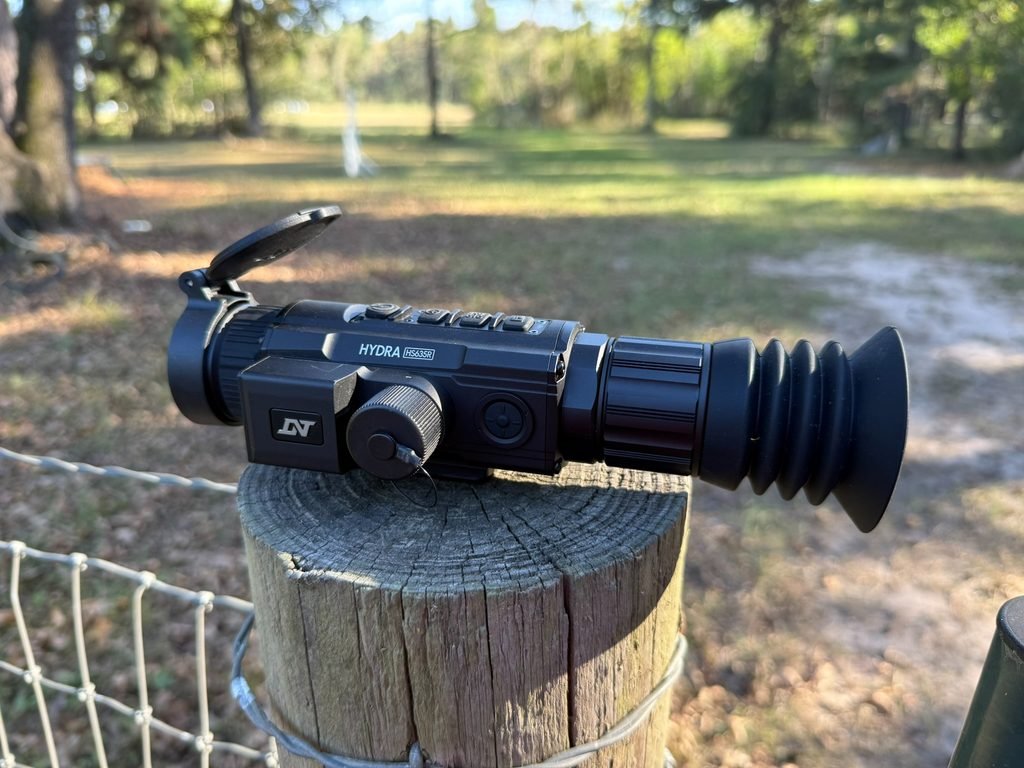
My AGM Taipan TM19-384 provides a useful comparison because I have spent considerable time using it as a dedicated handheld scanner.
Looking only at the specifications, the Hydra should have a clear advantage. The Taipan uses a 384×288, 12-micron sensor, compared with the Hydra’s 640×512 sensor. AGM rates the original TM19-384 below 35 mK NETD, while DNT rates the Hydra at ≤18 mK.
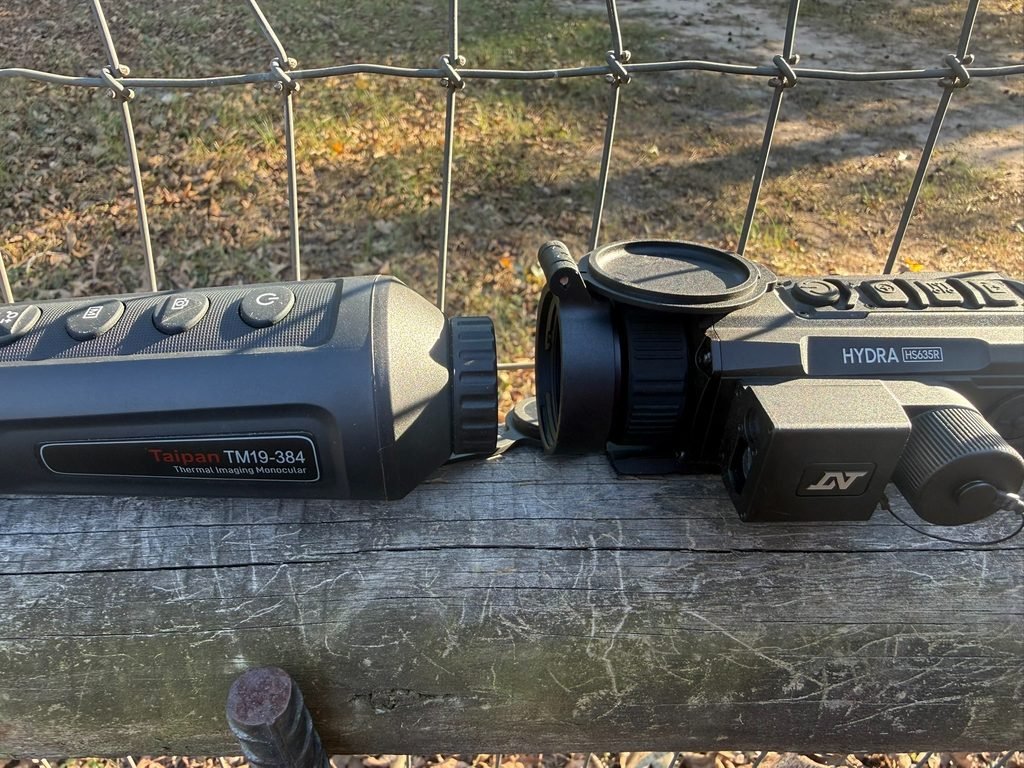
The Hydra showed more detail, but I kept finding specific heat signatures faster with the Taipan. When scanning brush or a treeline, warm objects seemed to stand out more clearly through the AGM.
Most of my Hydra testing took place during the Texas summer, when the vegetation, buildings, and ground were already hot. I haven’t tested it below 50 degrees, so I can’t say how the comparison would change in cooler weather. It’s the middle of October, and we’re still having 90-degree days.
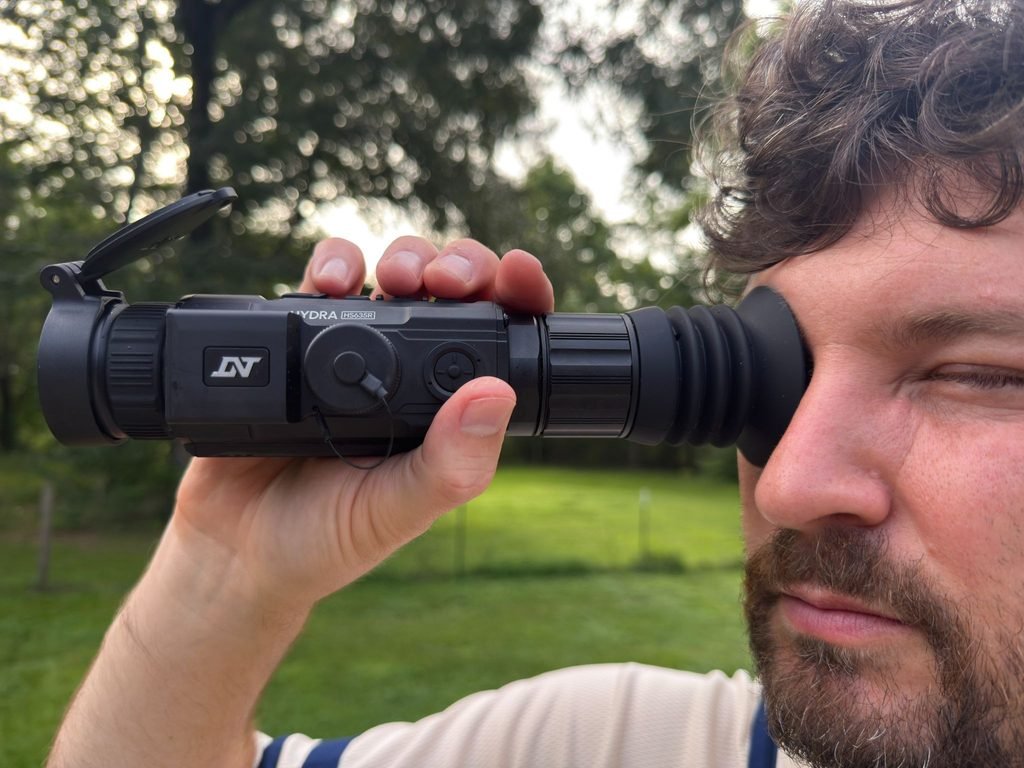
The Hydra still provided a better and more detailed overall image. The AGM simply seemed to emphasize warm objects in a way that made it particularly effective as a dedicated scanner.
The Hydra gave me the better image, but the Taipan still seemed faster at making something warm catch my eye.
Using the Hydra as a Clip-On
The clip-on test was disappointing. Mounted in front of my Primary Arms 3X prism, the Hydra produced a noticeable fishbowl effect and blurred edges. The center was usable, but the image looked much better when I used the Hydra by itself.
That was my experience with this particular prism. I didn’t test other optics, so I can’t say whether a different setup would work better.
Battery Life, Recording, and the DNT App
DNT rates the Hydra for approximately four hours of operation from a 18650 battery, and that was pretty close to what I experienced. .
I also liked being able to replace the battery. If my AGM’s internal battery dies while I’m out, I’m done scanning. With the Hydra, I can carry a charged spare and swap it in.
Recording and transferring footage to my phone through the DNT app were straightforward. I used some of those recordings in my social media posts.
DNT Hydra HS635R
DNT Hydra HS635R Pros and Cons
Pros
- Excellent 640-resolution thermal image
- Easy to mount, focus, and zero
- Held zero throughout testing
- Replaceable 18650 batteries
- Good field of view
Cons
- Preferred the AGM Taipan for quickly finding heat signatures
- Clip-on performance resulted in fishbowl distortion and blurred edges with my Primary Arms 3X prism
Last Words
For my use, I’d keep the Hydra mounted on the rifle and carry a separate handheld thermal for scanning. I preferred the Taipan for quickly finding heat, then the Hydra for getting a more detailed look and shooting.
The clip-on function would not be a selling point for me based on my test with the 3X prism. The standalone performance would. It held zero, gave me a clear image, and let me swap batteries rather than stop to recharge.
DNT Hydra HS635R
DNT Hydra HS635R FAQ
Is the DNT Hydra HS635R good as a standalone thermal scope?
Yes. The Hydra was easy to zero, held zero, and provided excellent image quality at the distances I tested.
Does the DNT Hydra HS635R record video?
Yes. The HS635R includes 32 GB of internal storage and Wi-Fi/app connectivity.