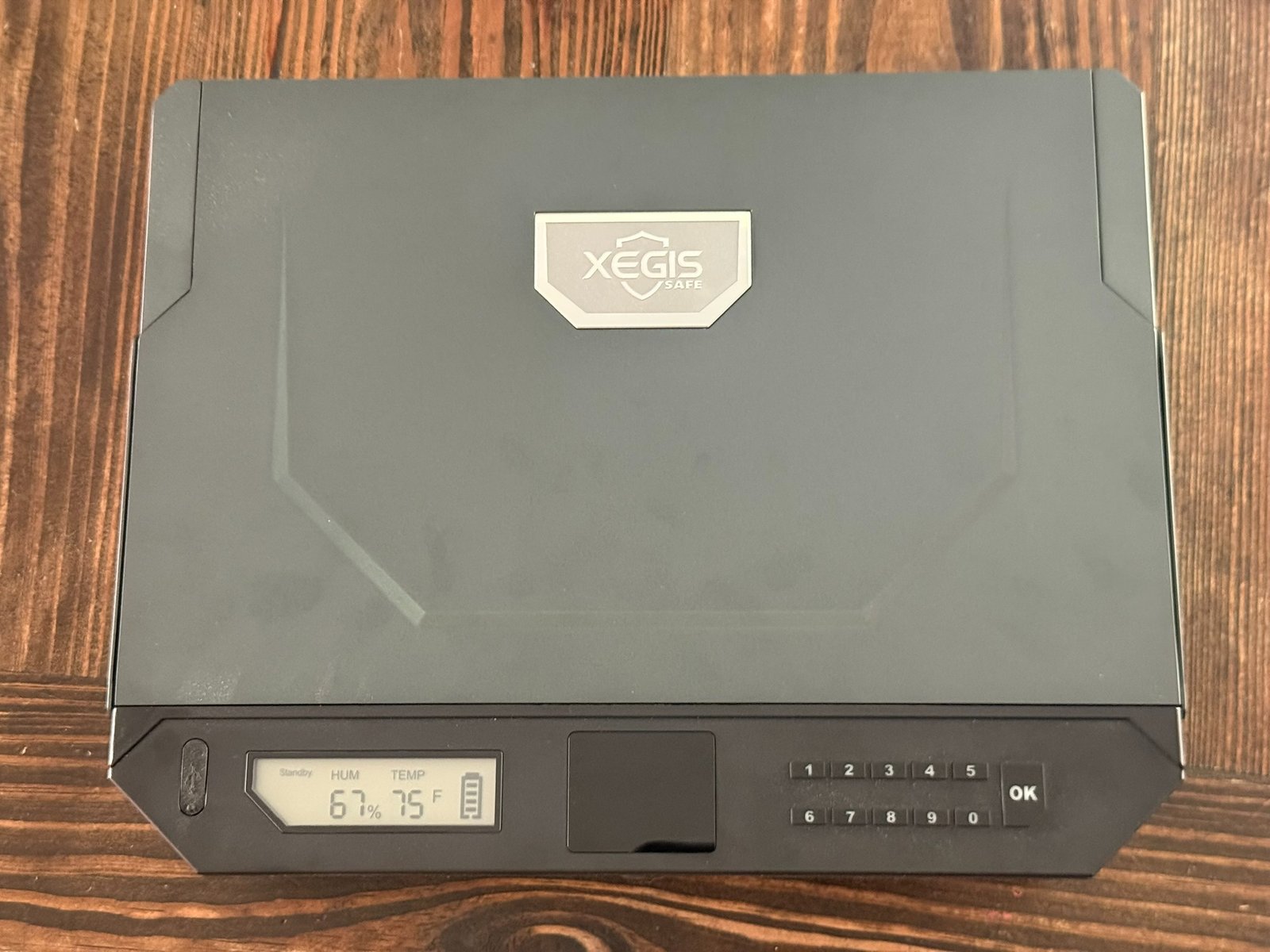
XEGIS Palm Vein Biometric Gun Safe Review
Some of the links in this post are affiliate links. That means if you buy something, I might earn a small commission — it doesn’t cost you anything extra, and it helps keep the content coming.
Introduction: XEGIS Palm Vein Biometric Gun Safe
Biometric safes have been around for a while, but most of them rely on fingerprint scanners that can be hit or miss. The XEGIS Palm Vein Biometric Gun Safe takes a different approach with palm vein recognition, which immediately raises a question: is this just a gimmick, or is it actually better?
Xegis sent me their Palm Vein Biometric Gun Safe for review and I have spent the past couple months putting it through its paces. I have mostly kept it in my home office and I can say this is one of the more interesting and surprisingly effective options I’ve tested. It replaced an Onnais Alloy SE in my setup, and while that safe was perfectly serviceable, the XEGIS offered something different enough to justify trying something new.
XEGIS Palm Vein Biometric Gun Safe
A fast-access handgun safe with a palm vein reader, keypad backup, interior lighting, and enough room for most compact or full-size defensive pistols.
- Very fast access
- Consistent palm vein reader
- Works with many optic-equipped pistols
- Good fit for quick-access defensive storage
First Impressions
Out of the box, the safe makes a solid first impression, but not in a premium, overbuilt way. It feels comparable to most mid-tier handgun safes on the market. It’s not as robust as something like the Hornady Rapid Safe, but it doesn’t feel cheap either.
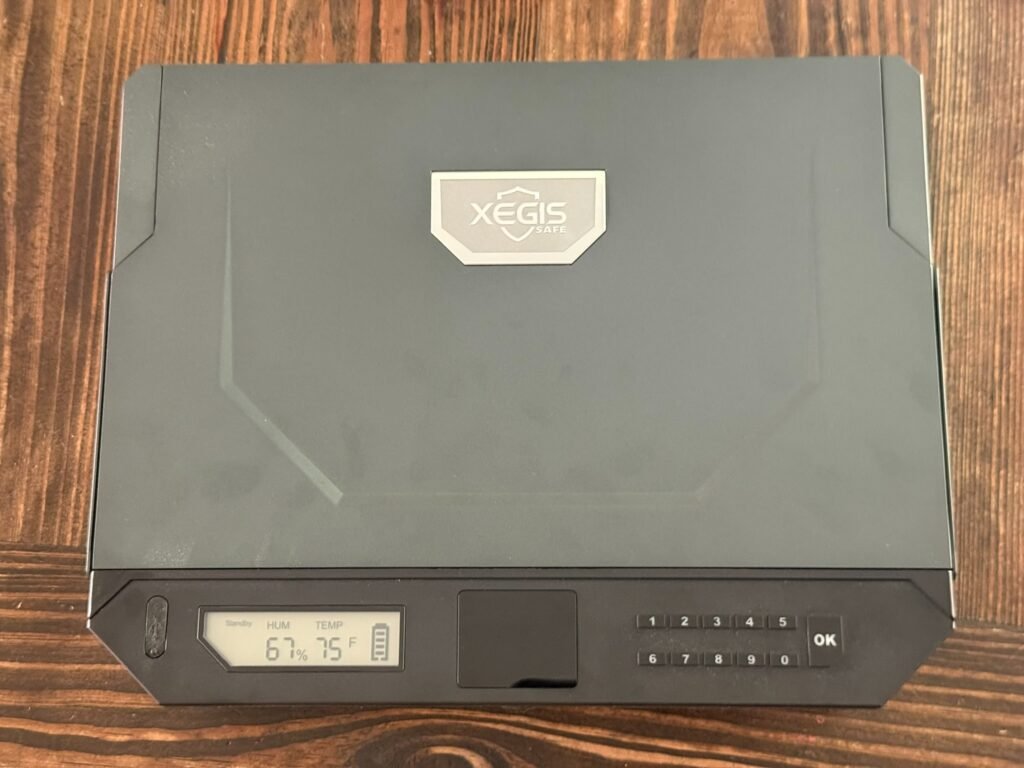
The lid has a spring-assisted opening that snaps up with authority once unlocked. That’s exactly what you want in a defensive context. The interior is padded and includes illumination, which is a nice touch when accessing it in low light.
This is clearly designed as a practical quick-access solution rather than a heavy-duty security safe.
Features & Controls
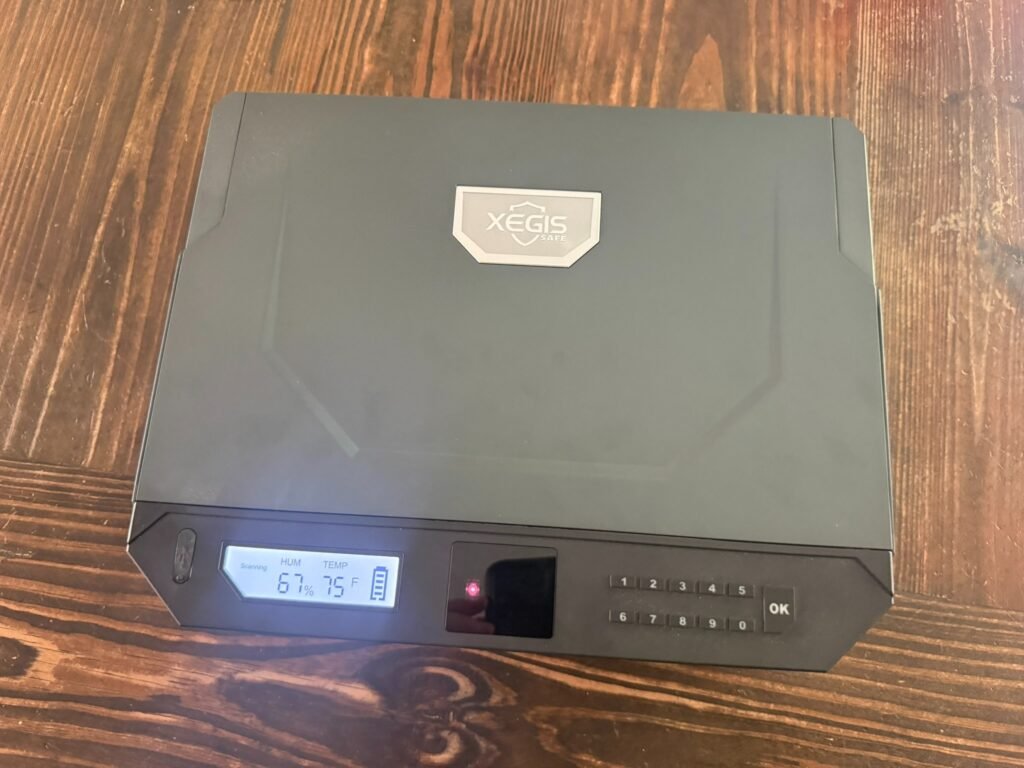
The standout feature here is the palm vein scanner. In real use, it has been extremely consistent. I’ve had a 100 percent first-try success rate as long as the safe is positioned correctly.
That last part matters.
The scanner requires some vertical clearance above the safe to function properly. If there is an object too close above it, roughly anything under about 2 feet 4 inches of clearance, the reader will either struggle or continuously attempt to scan. This is the single biggest limitation of the safe and directly affects placement.
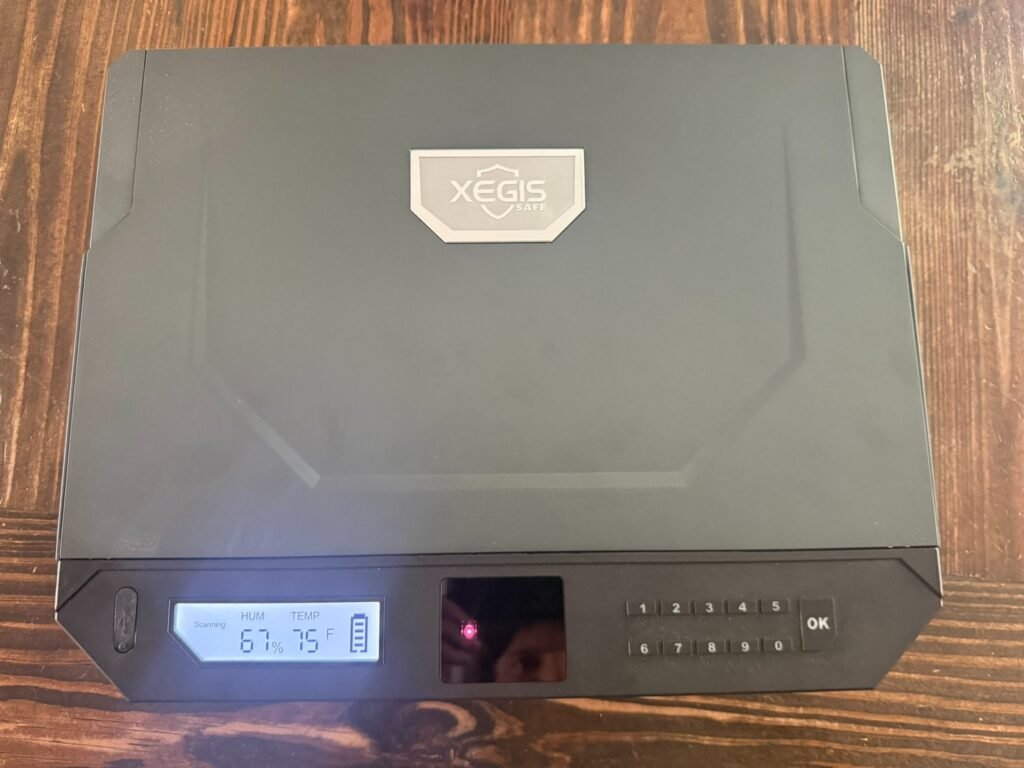
If you understand that constraint, it’s easy to work around. If you don’t, it can be frustrating.
Beyond the biometric system, you also get a keypad and a physical key. Both work as intended, but they are clearly secondary options. The keypad is small, and the key is something you’ll likely keep tucked away rather than rely on regularly.
Performance
Speed
This is where the XEGIS safe really stands out.
From activation to open, it averages around 1.5 seconds. That’s faster than most keypad safes I’ve used and more consistent than fingerprint models, which tend to have occasional failures.
There is a very brief moment for the scanner to activate, then the lid pops open quickly and decisively. It feels fast without requiring much thought or precision, which is exactly what you want in a defensive scenario.
Reliability
The palm vein system has been the biggest surprise. It works, and it works well.
Even in low light or complete darkness, I’ve had no issues. Compared to fingerprint safes, this is a clear step up in consistency. Fingerprint readers might be quick, but they are not always reliable. This system removes that concern almost entirely.
The only reliability issue ties back to placement. If the safe is too close to an overhead surface, it will not function correctly. Once that is addressed, performance is extremely dependable.
Ergonomics & Use
Using the safe feels natural. You place your hand over the scanner, it reads instantly, and the lid opens. There’s very little mental processing involved compared to entering a code or adjusting your finger position on a scanner.
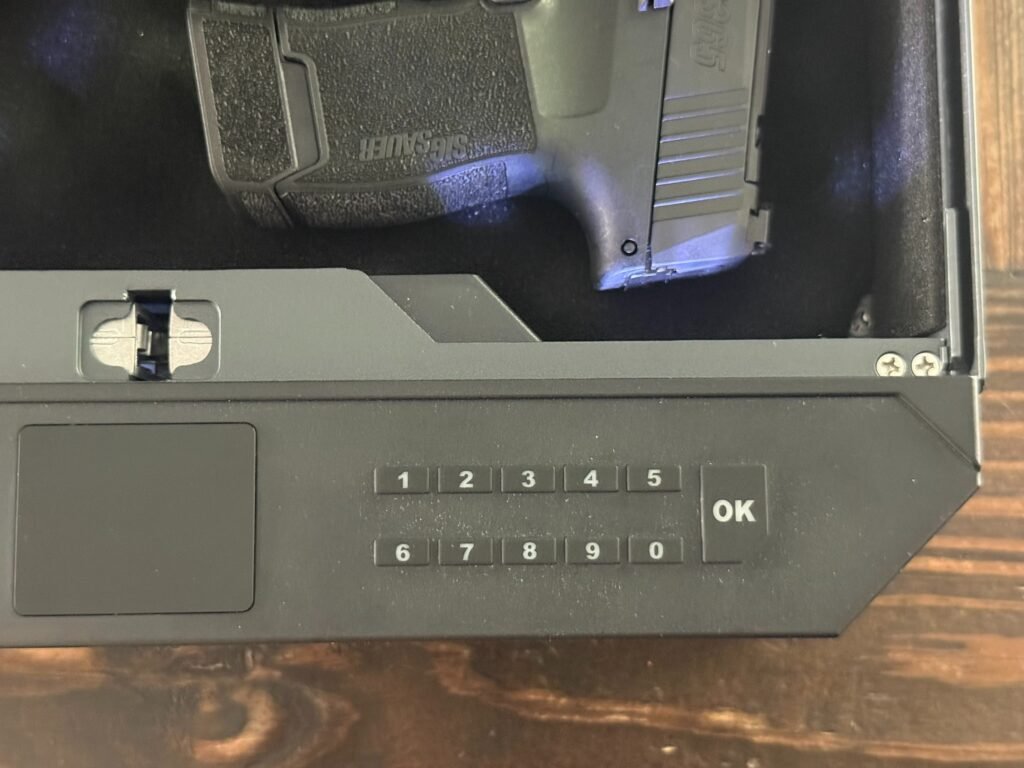
One thing to watch is the lid when closing. You need to shut it firmly. If you don’t, it can give the impression that it has latched when it hasn’t. If that happens, the next time you try to open it, nothing happens. This is more of a user habit issue than a functional failure, but it is something to be aware of.
Capacity
For a compact safe, capacity is solid.
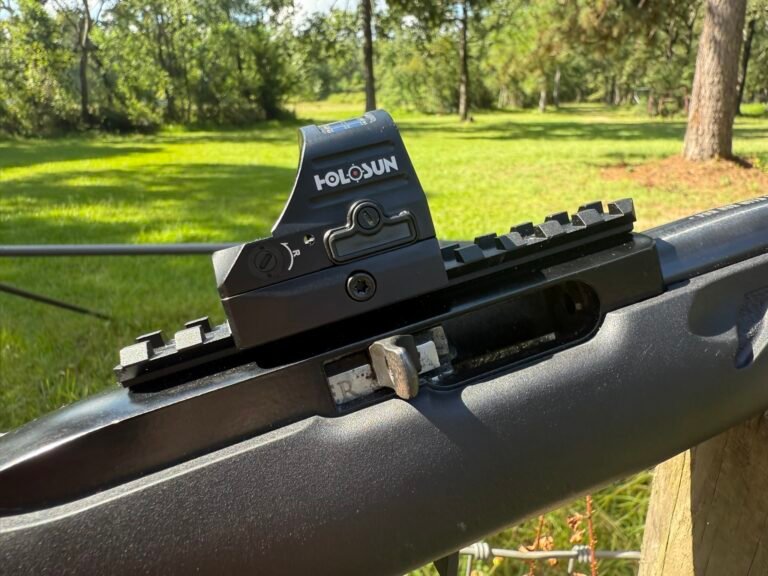
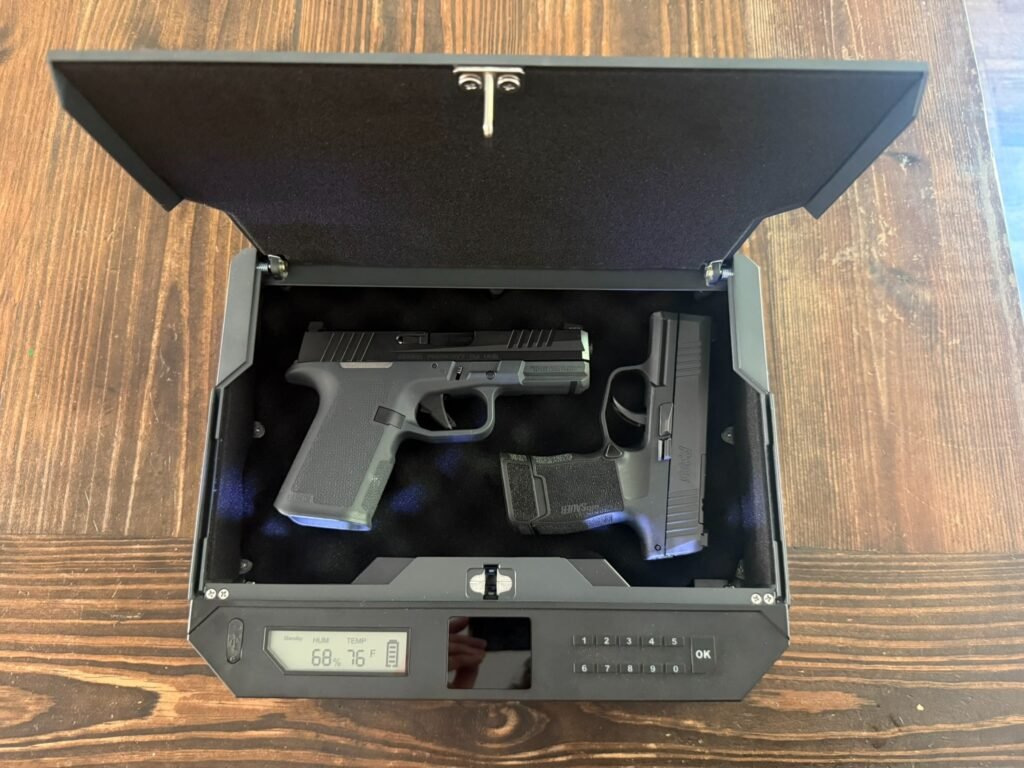
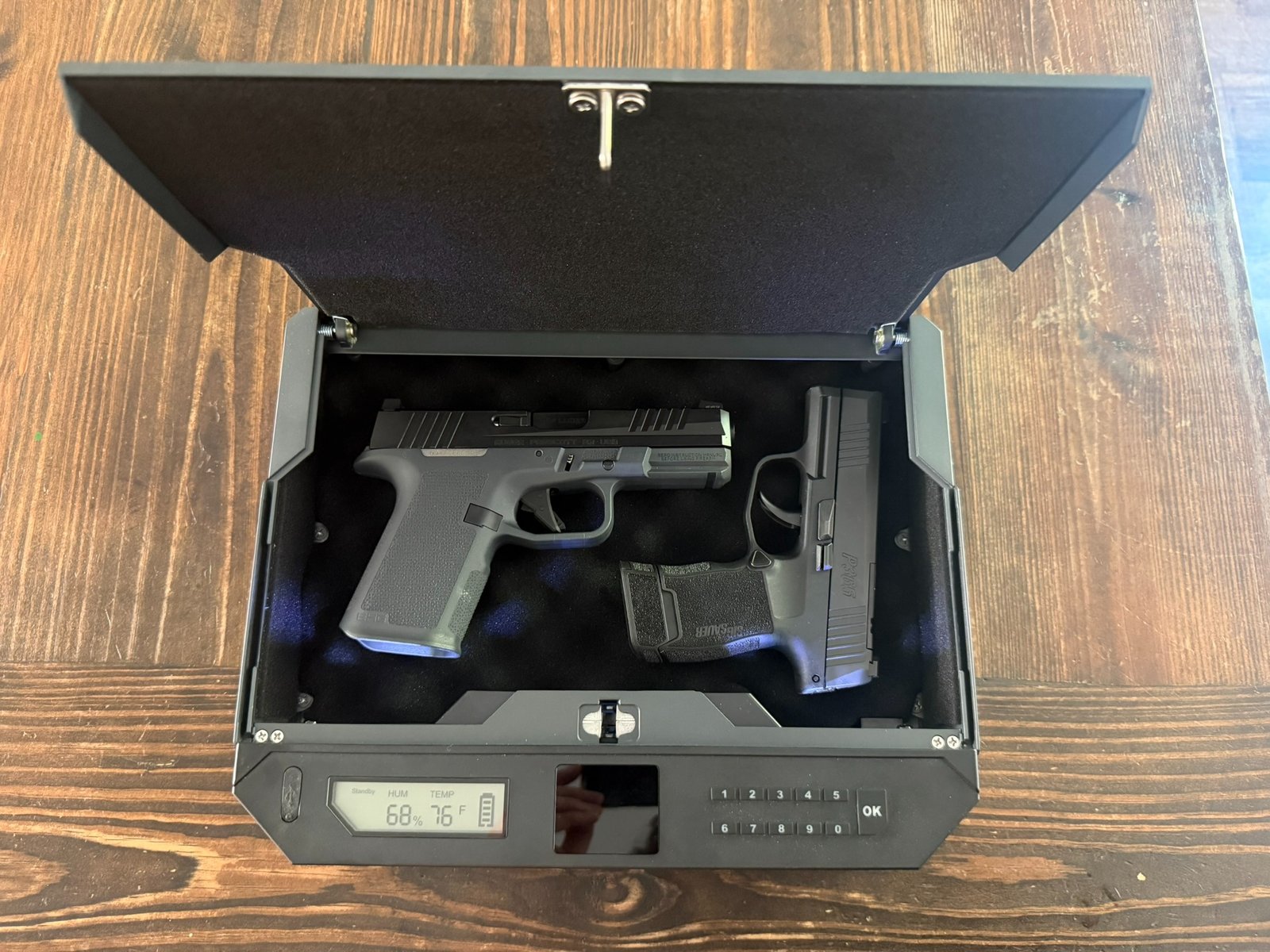
I’ve been storing a Taurus GX4 Toro with a Holosun 407K, and it fits comfortably. A full-size Glock 17 with a light and optic also fits without issue. You can even squeeze in two pistols, such as the Glock 17 and the GX4, but it gets tight.
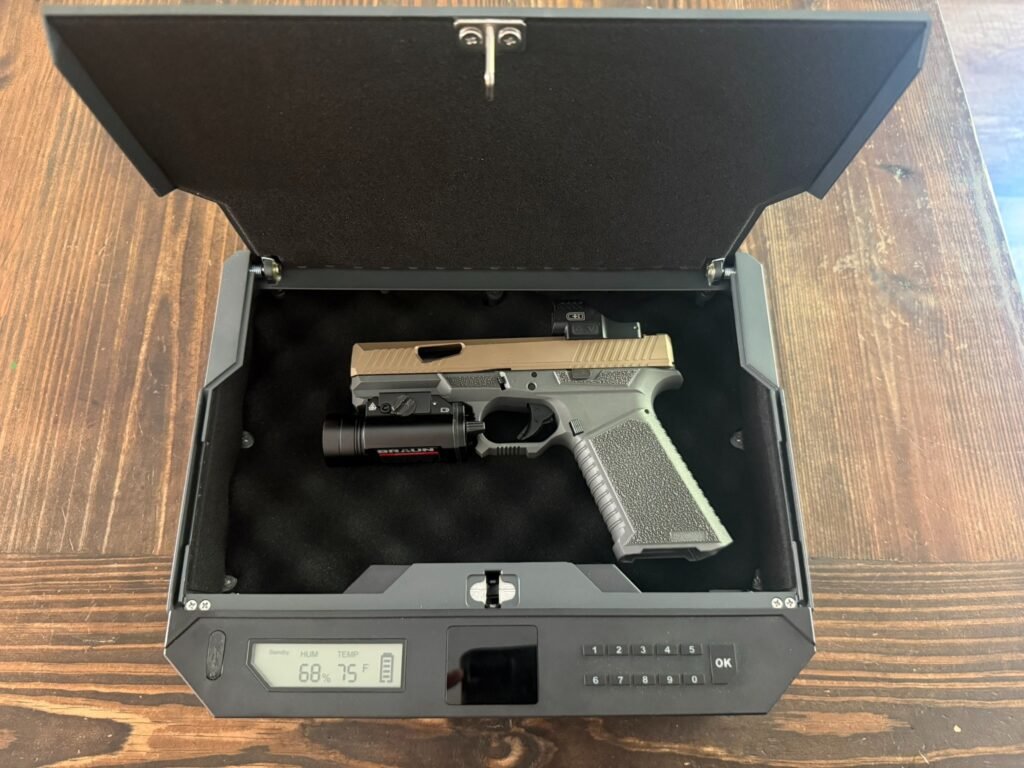
Without optics, two pistols will fit easily.
This makes it versatile enough for both compact carry guns and full-size defensive setups.
Security & Build
This is not a heavy-duty, pry-proof safe, and it doesn’t try to be.
The build quality is comparable to other safes in this category. It is more than adequate for preventing unauthorized access, especially from children or casual handling. It would slow down someone without tools, but a determined person with time and intent could get into it.
That’s consistent with most quick-access handgun safes.
Pros & Cons
Pros
- Extremely reliable palm vein scanner
- 100 percent first-try success in proper conditions
- Fast access, around 1.5 seconds
- Works well in low light and darkness
- Simple, intuitive operation
- Good capacity for compact and full-size pistols
Cons
- Requires around 2 feet 4 inches of clearance above for proper function
- Lid must be firmly closed to ensure proper latching
Last Words
I went into this expecting the palm vein scanner to be a gimmick. It’s not.
In actual use, it’s more consistent than fingerprint safes and faster than most keypad options. Once you understand the placement limitation, it becomes a very reliable and practical quick-access solution.
This is a strong option for anyone looking for a defensive handgun safe, especially if you’ve been frustrated with fingerprint reliability in the past. Just make sure you have the space to use it correctly.
FAQ
Does the palm vein scanner actually work better than fingerprint safes?
Yes. In consistent use, it has been more reliable with fewer failures.
Can it be used in complete darkness?
Yes, there were no issues accessing it in low light or total darkness.
How fast is it compared to keypad safes?
It opens in about 1.5 seconds, which is faster than most keypad systems.
What is the biggest drawback?
It requires adequate clearance above the safe to function properly.