Using Light in Home Defense
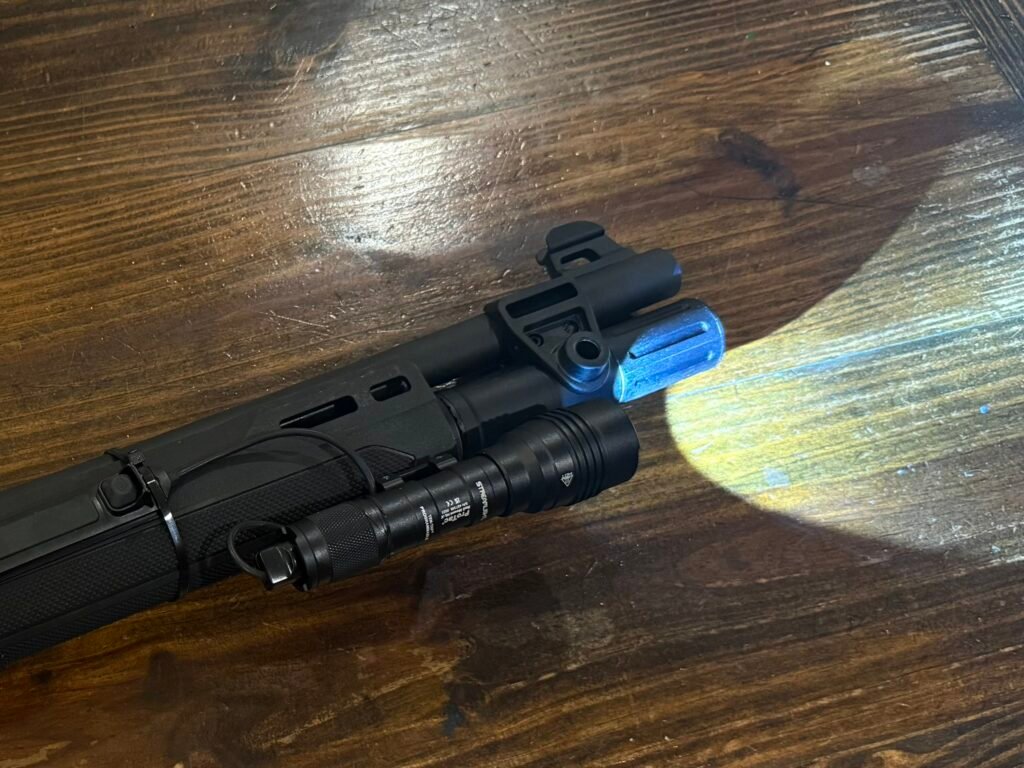
Introduction: Using Light in Home Defense
Using light in home defense is not about searching for trouble or taking control of a situation. When people talk about using light in home defense, they are really talking about seeing clearly enough to make good decisions. Darkness removes information. When the information you need to make a good decision is lacking, mistakes are more likely. Using light in home defense is ultimately about providing clarity so that identification, informed decision-making, good judgment, and, more importantly, restraint remain possible.
For gun owners, especially those newer to defensive planning, light should be understood as a safety tool. Light supports positive identification. Light helps prevent tragic errors. Light plays a critical role in deciding when force is not appropriate.
The purpose of this guide is to explain why light matters, how it fits into responsible home defense, and how to think about handheld and weapon-mounted lights without drifting into tactics or equipment selection.
Why Light Matters in a Home Defense Situation
Most defensive encounters inside a home happen in reduced or uneven lighting. Hallways, bedrooms, and common areas often look very different at night than they do during the day. When you combine stress with low light, shadows shift, familiar shapes become ambiguous, and depth perception suffers. Under these conditions, the absence of light can compromise decision-making and increase the risk of misidentification.
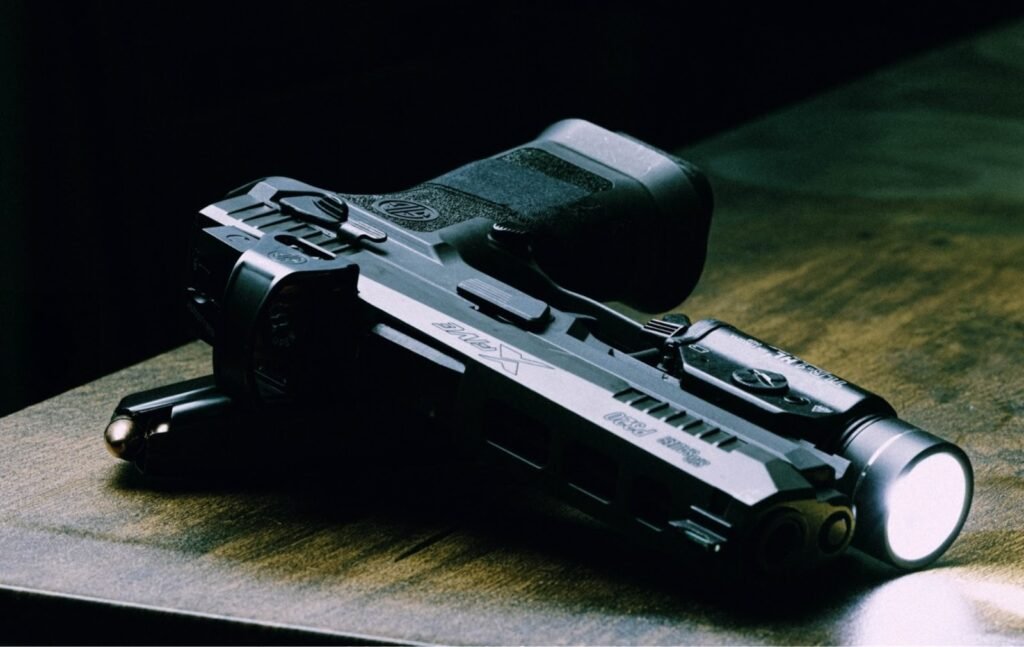
This is where using light in home defense comes in. Using light in home defense helps to restore information. Light allows you to see hands, faces, and context. It helps confirm whether a sound was caused by a person, a pet, or something entirely harmless. Light does not solve every problem, but it can combat uncertainty and prevent irreversible decisions.
Importantly, light also supports restraint. A clearly identified situation often ends without force being necessary. In most circumstances, a non-violent outcome matters just as much as any defensive capability.
Positive Identification Comes First
Positive identification in home defense means knowing who or what you are looking at before acting. Using light in home defense to establish positive identification goes beyond recognizing a silhouette or making assumptions based on movement and noise. Identification requires enough light to distinguish a person’s features, posture, and actions.
Sound alone is not enough for identification. Neither is familiarity with your home. Many serious incidents involving firearms occur because someone believed they knew who or what they were seeing when they did not. Darkness encourages assumptions, and assumptions are unreliable to the point of being dangerous.
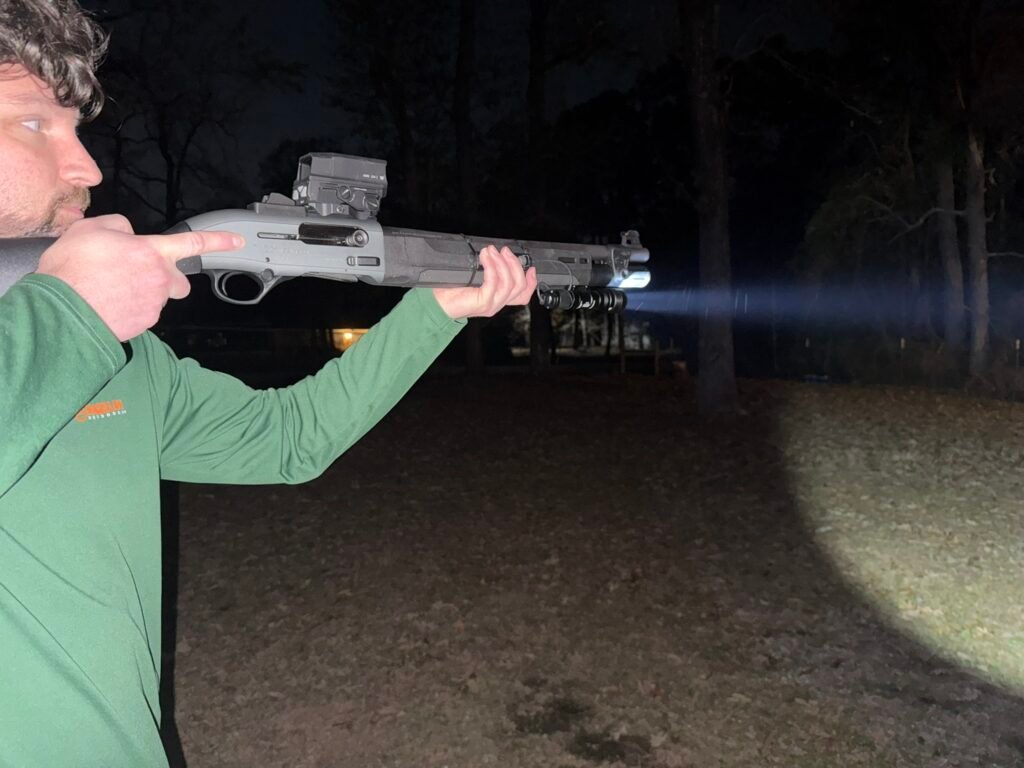
In a stressful, and likely high-adrenaline-fueled, situation, light becomes essential. A brief moment of illumination can quickly answer critical questions. Is this a family member moving through the house? Is someone holding an object that explains the noise? Is there even a person present? Positive identification allows decisions based on higher-quality information, not just fear-fueled speculation and guesswork.
Using light in home defense is less about what you might face and more about avoiding catastrophic misjudgment. This cannot be overstated. There are too many news stories about people mistakenly shooting loved ones in the dark because they were not able to positively identify them.
Light and Decision-Making Under Stress
Stress narrows awareness. Low light narrows it further. When both occur together, people tend to default to habits and assumptions. Instead of deliberate thinking, people make decisions based on guesses. Light interrupts that process by restoring visual information. Light provides context that can confirm or disprove what your brain is already trying to fill in. Anything that can appropriately slow decisions enough to allow judgment to catch up is beneficial. In many cases, this clarity leads to de-escalation.
From a safety perspective, one of the most critical roles of light is to reduce uncertainty before any action is taken. This often leads to better outcomes, especially when stress levels are high.
Handheld vs Weapon-Mounted Lights
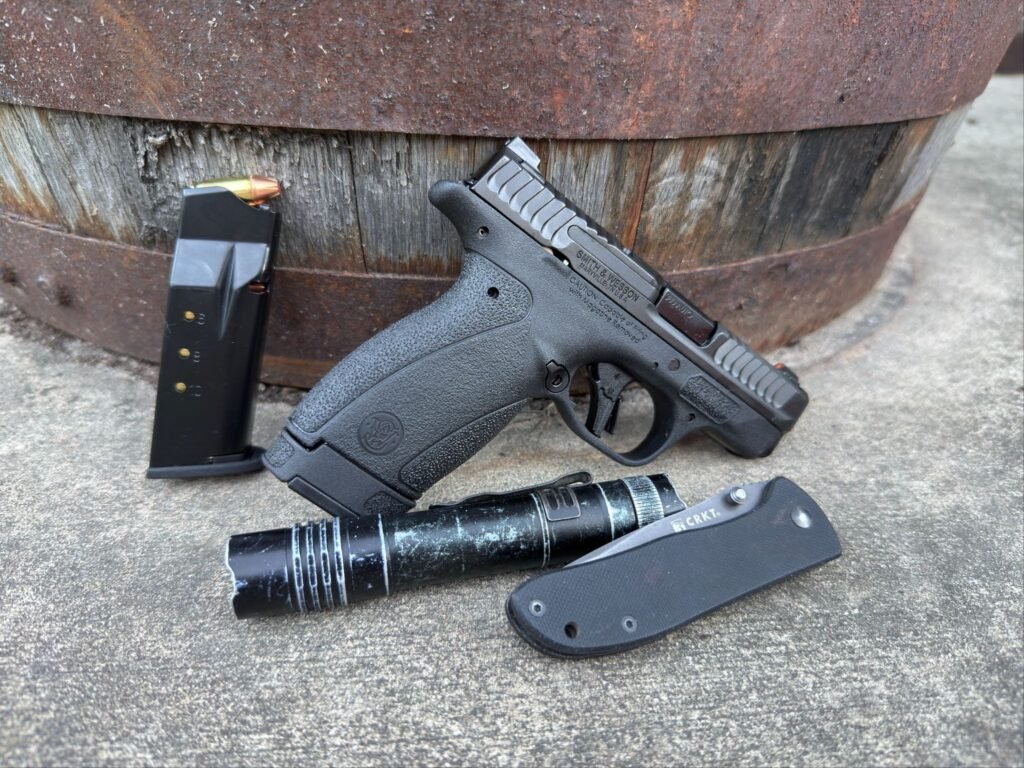
Discussions about handheld versus weapon-mounted lights often drift into product debates. Light A vs. Light B: which is better? At a conceptual level, though, the distinction is simpler. Each approach changes how illumination and firearm handling relate.
Handheld Lights
A handheld light separates illumination from muzzle direction. This allows you to identify what you are looking at without pointing a firearm at it. That separation can be valuable in a home where family members are present, and movement is unpredictable. You never want to point your shotgun at your family members.
Handheld lights are also familiar tools. Most people have a flashlight and are familiar with their use for everyday tasks. People are comfortable with their use and can use them effectively. There is a limitation, though. They occupy one of your hands and require coordination between the hands if a firearm is being used.
Handheld lights emphasize identification first. You are not required to point your firearm at someone or something without first identifying it, whereas a weapon-mounted light may not require that. While it is more complicated, the best practice would be to have both a handheld light for searching when necessary, as well as a weapon-mounted light.
Weapon-Mounted Lights
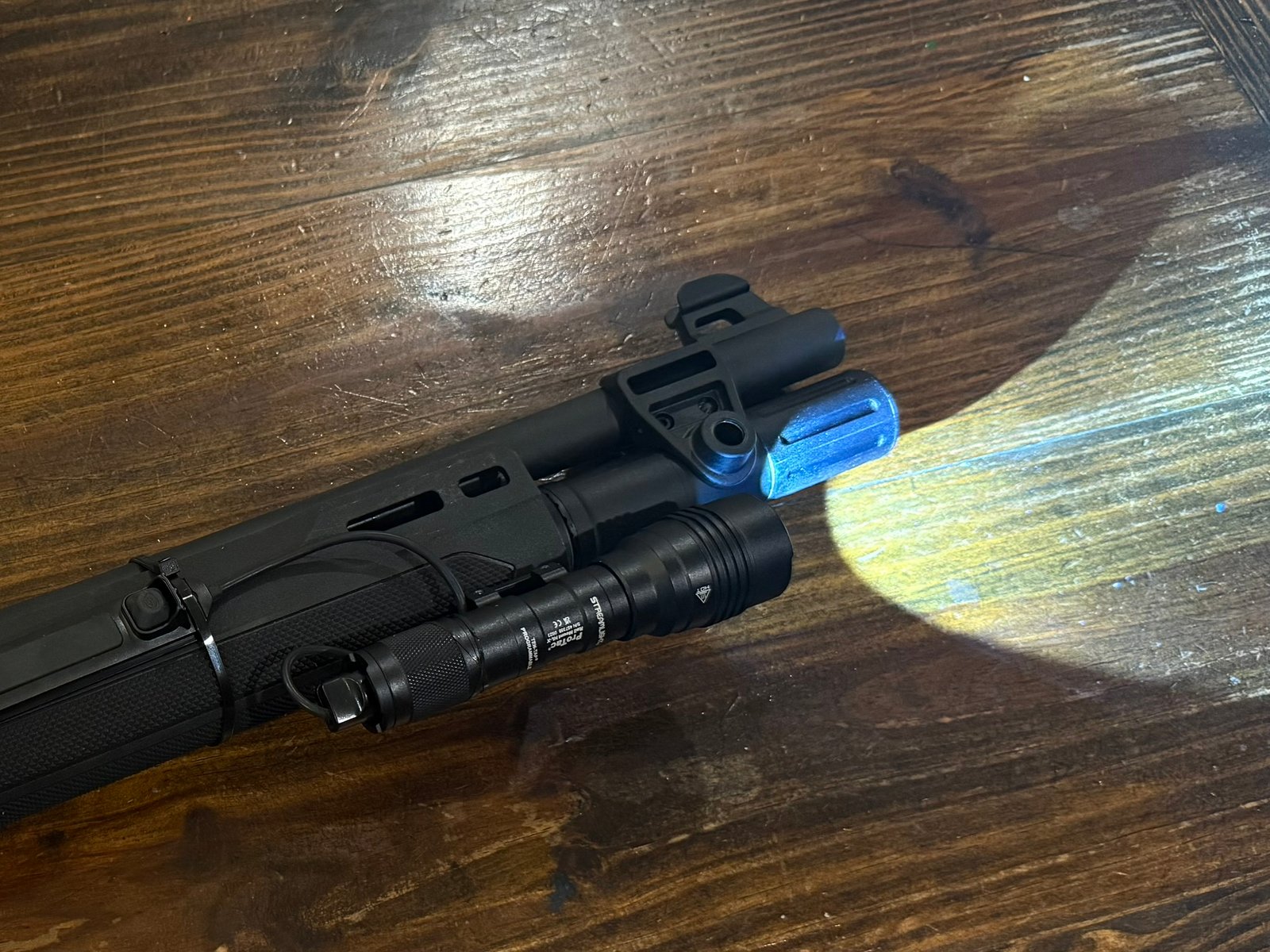
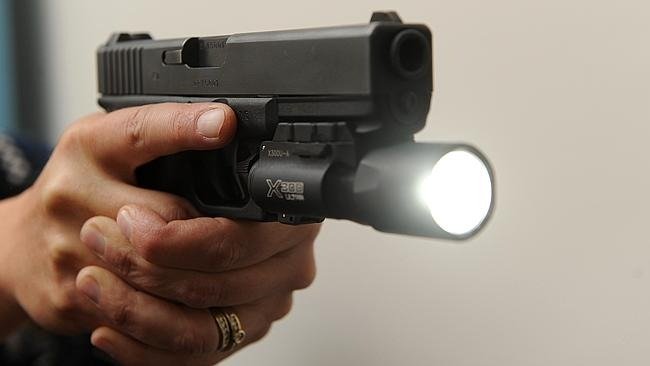
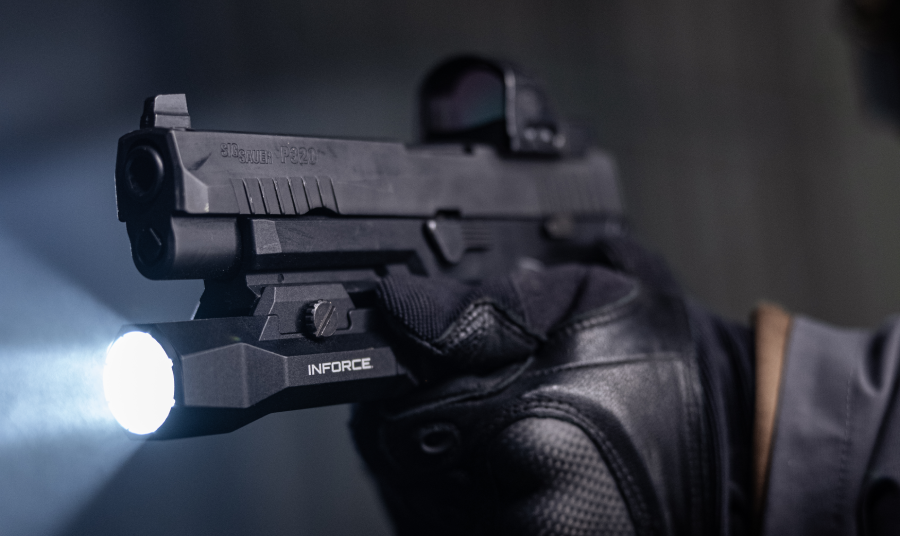
A weapon-mounted light aligns illumination with the firearm. When the light is activated, the illuminated area is also covered by the muzzle. This can simplify tasks under stress but demands strict awareness of muzzle direction and strict trigger discipline at all times.
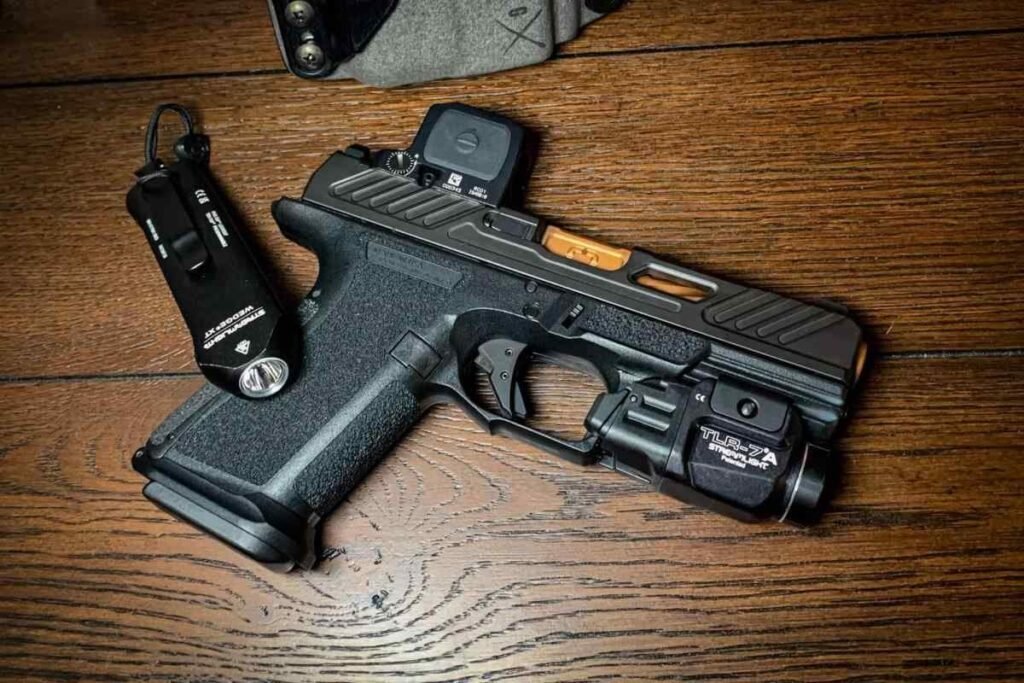
High levels of discipline are a must with a weapon-mounted light. Illumination becomes inseparable from the firearm, which means light use must be deliberate. This approach can reduce the mental strain of managing two separate tools, one in each hand, but increases the responsibility to avoid covering with your firearm anything that should not be covered.
Neither option is inherently right or wrong. The critical point is understanding the tradeoffs and choosing an approach that supports safe identification in your specific environment. Having both a handheld light and a weapon-mounted light provides added flexibility.
When you compare handheld vs weapon-mounted light for home defense, you are really deciding how you want to balance safer searching with easier shooting and manipulation under stress.
Avoiding Common Light-Related Mistakes
There are several common mistakes that are easy to make regarding light, and you usually don’t even realize you are going to make them until it is too late.
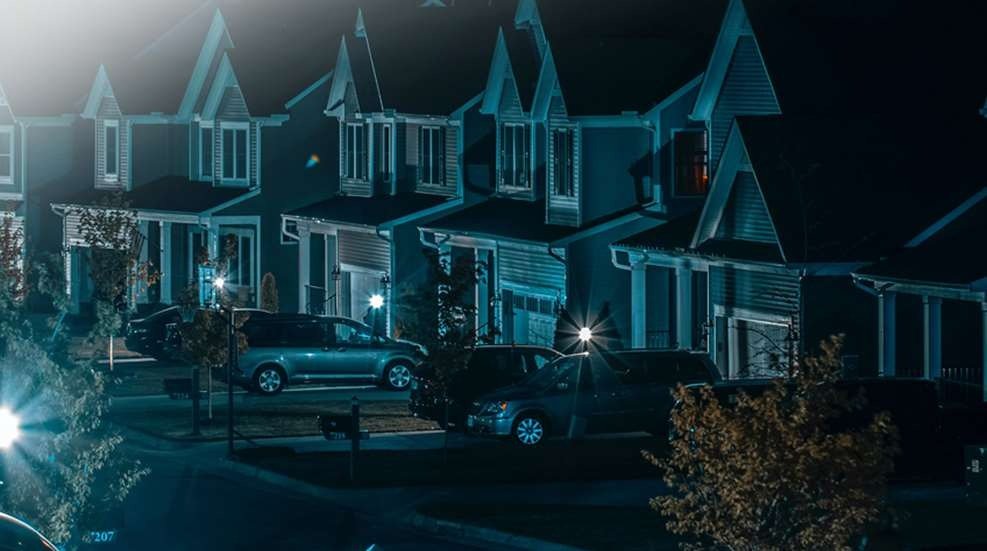
First, relying on ambient light that will disappear at night. During the day, you may think you have enough light to identify objects and people effectively, but at night, when your adrenaline is flowing, it can be shockingly hard to see what you can easily see in the day. Also, don’t make assumptions about what light sources will be available other than those you will be bringing with you. Sure, there is supposed to be outdoor lighting, but what happens if it isn’t working?
When it is safe to do so, turning on existing house lights can be a simple way to create enough illumination for identification. You want to see hands, faces, and movement throughout rooms and hallways.
A much more serious mistake involves using light without intent. Activating your light without thinking about what you are illuminating with it, or with weapon-mounted lighting, where the muzzle of your firearm is pointing, can undermine the safety benefits the light is meant to provide. Light use should be deliberate. You need to be aware of your surroundings and of other people in the home. Plus, your light will announce your presence to everyone, whether they are friendly or not. At the same time, a bright, focused light can briefly disrupt an intruder’s vision and give you a slight advantage. The key is to use light deliberately.
Using light in home defense is not about constant illumination. It is about the purposeful use of light to gain information.
Training and Familiarity
Familiarity with light does not require you to do complex drills or practice room-clearing. Sure, that can be useful and even fun, but what it really means is knowing how your light operates, when it’s useful, and how using it will interact with your firearm and surroundings.
You need to understand how your light activates, how using the light might affect your grip, and how it affects what you see. The goal is not speed. It is an efficient, controlled use of light that helps you build confidence.
Practice does not make perfect, but it does build muscle memory. Practice makes permanent, as my coaches told me growing up. Build habits and familiarity that will transfer to defensive situations when stress and adrenaline are warring for control of your brain. Familiarity with your light will reduce fumbling and hesitation when it’s actually needed.
How Light Fits Into a Complete Home Defense Plan
Light is just one component of your larger home defense plan. Using light in home defense should be paired with safe, easily accessible storage practices, a well-designed household layout, effective communication, and appropriate ammunition selection. This is a holistic plan, and no one element replaces the others.
Using light in home defense supports the broader goal of making informed decisions under pressure. Light complements firearm and ammunition choices. It ensures those tools are used only when appropriate and necessary.
In most situations, it is safer to move vulnerable family members to you as quickly as possible and establish a defensible position, rather than searching the house room by room on your own. Once you have your people gathered and reasonably protected, stay put and use light for identification.
Light is not an accessory. It is part of the preparation that you, as a responsible gun owner, undertake.
Last Words
Using light in home defense is about seeing clearly enough to avoid irreversible mistakes. That is the core principle behind using light in home defense responsibly. Light supports positive identification in home defense. Light improves decision-making. Light helps you make the correct decisions, whatever they may be, to ensure the best possible outcome for you and your loved ones.
In your defensive planning, light should be understood as the tool that it is, and one of your most important ones. Use it thoughtfully, in a way that will ensure decisions you make are not made “in the dark” but with as much information as you can gather.
Frequently Asked Questions
Do I need a light if my house already has night lights?
Night lights help with navigation. Night lights rarely provide enough illumination for positive identification. Silhouettes are not sufficient; you need to be able to clearly identify faces and, potentially, hands. Night lights reduce tripping hazards, that’s about it.
Is a weapon-mounted light unsafe in a home?
Weapon-mounted light safety depends on discipline and the context of your environment. The light itself is not unsafe, but it requires strict awareness of muzzle direction to prevent unsafe actions. Weapon-mounted lights should not be used for routine searching of unknown areas.
Can I rely on my phone’s flashlight?
A phone light can provide some illumination, but it is not always accessible or practical under stress. It also occupies attention and may not be immediately available.
When should I turn a light on?
This is a fundamental question. Light should be used when identification is necessary. Purposeful, momentary illumination is often more helpful than leaving a light on continuously.
Should I go look for an intruder or stay put?
It is safer to gather vulnerable family members and hold a defensible position than to move through the house alone. You need to use your best judgment to decide what is the safest option for you and your loved ones.