Home Defense Setup: What Actually Matters
A practical guide to building a home defense setup that actually works. Learn how to choose firearms, ammo, lighting, and access with realistic tradeoffs.
Introduction
Most discussions about your home defense setup jump straight to equipment. The problem with that approach is that equipment only makes sense once you understand the problem you are actually trying to solve. Your home defense setup is not a single firearm, accessory, or brand choice. It is a set of decisions made ahead of time that balance speed, identification, capability, and responsibility inside your house with your people in it.
This guide is not about clearing rooms, fighting like a professional, or preparing for movie scenarios. It is about practical choices that hold up under stress and real-world constraints. The goal is simple: correctly identify a threat, make a decision, and stop that threat without creating unnecessary additional risk.
The Real Problem You Are Solving
Civilian home defense incidents are typically short, confusing, and information-poor. You are likely waking up, moving from a position of disadvantage, and trying to process incomplete information quickly. You are not searching for a fight. You are reacting to a threat.
That reality drives every equipment and setup decision. Speed matters, but correct identification matters more. Capability matters, but so does control. Any setup that assumes perfect information or unlimited time is already flawed.
This is also why home defense is not about rearranging furniture or turning your house into a training environment. You work with the home you live in. That can be a disadvantage or an advantage.
Firearm Roles Inside the Home
There is no universally correct home defense firearm. Different platforms exist because they solve different problems, and each brings tradeoffs that matter indoors.
Handguns
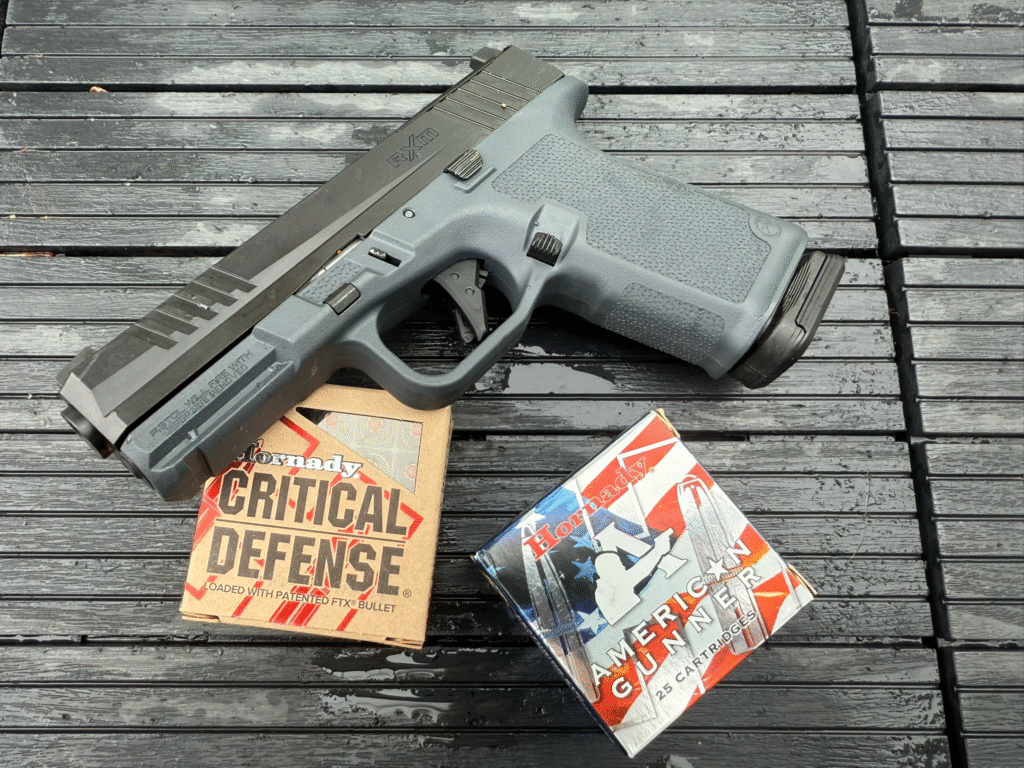
Handguns excel at mobility. They are easier to move with, easier to operate one-handed, and easier to stage discreetly. They are also the most practical option for people who may need to open doors, manage family members, or navigate tight spaces.
The tradeoff is that handguns are harder to shoot well, especially under stress. They demand more from the shooter in terms of grip, trigger control, and sight alignment. Capacity and terminal performance are also more limited compared to long guns.
Handguns work well when mobility and access matter most, and when the user has invested time into shooting them competently.
One modern handgun option that fits well into a home defense role is the Ruger RXM.
Shotguns
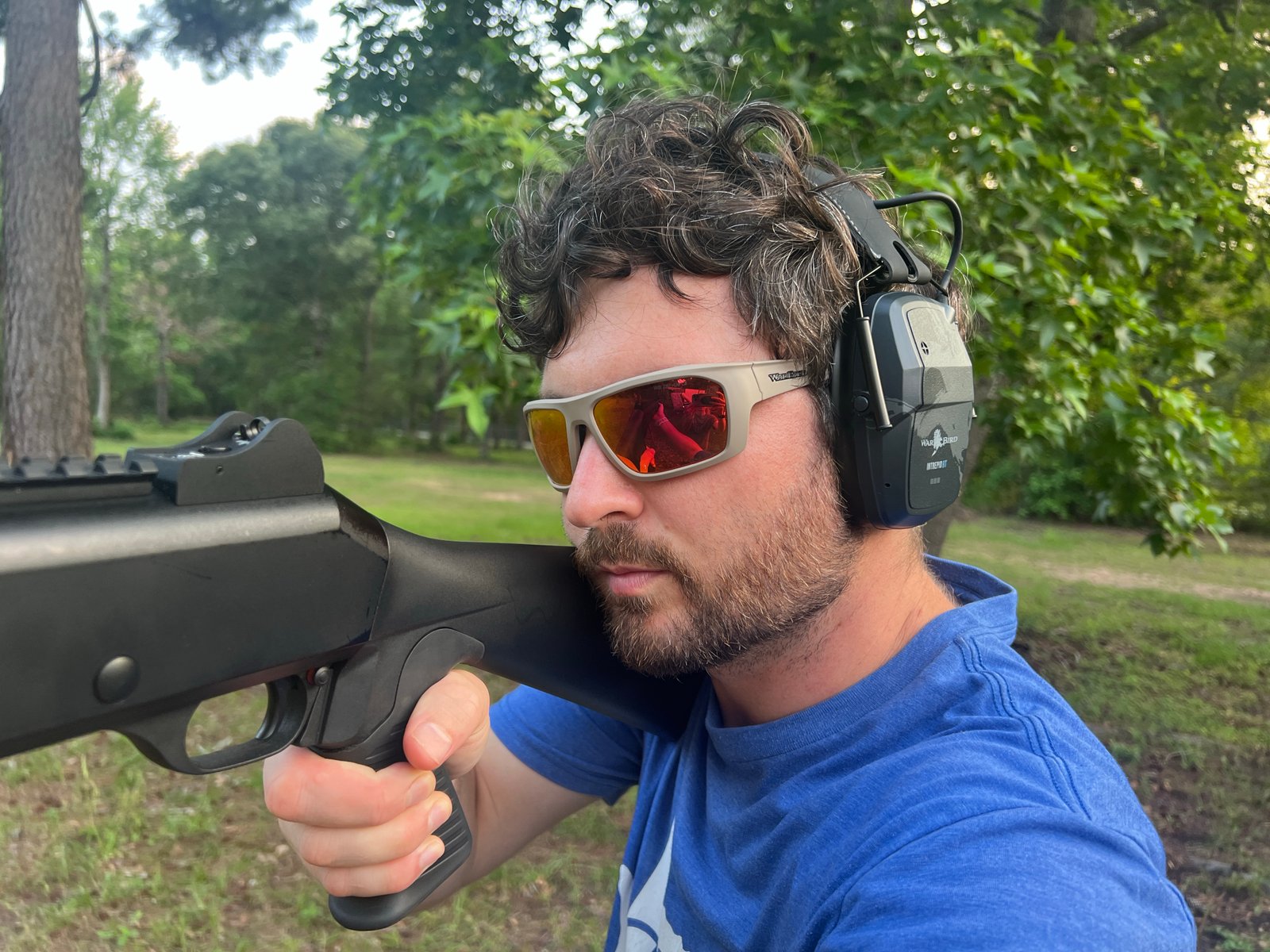
Shotguns offer a substantial terminal performance upgrade over a handgun. Most shotguns also provide mechanical simplicity. At typical indoor distances, they are extremely effective. Contrary to popular myth, simply racking a 12-gauge shotgun should not be relied on to deter a threat. They still require deliberate aiming and recoil management, especially with defensive loads.
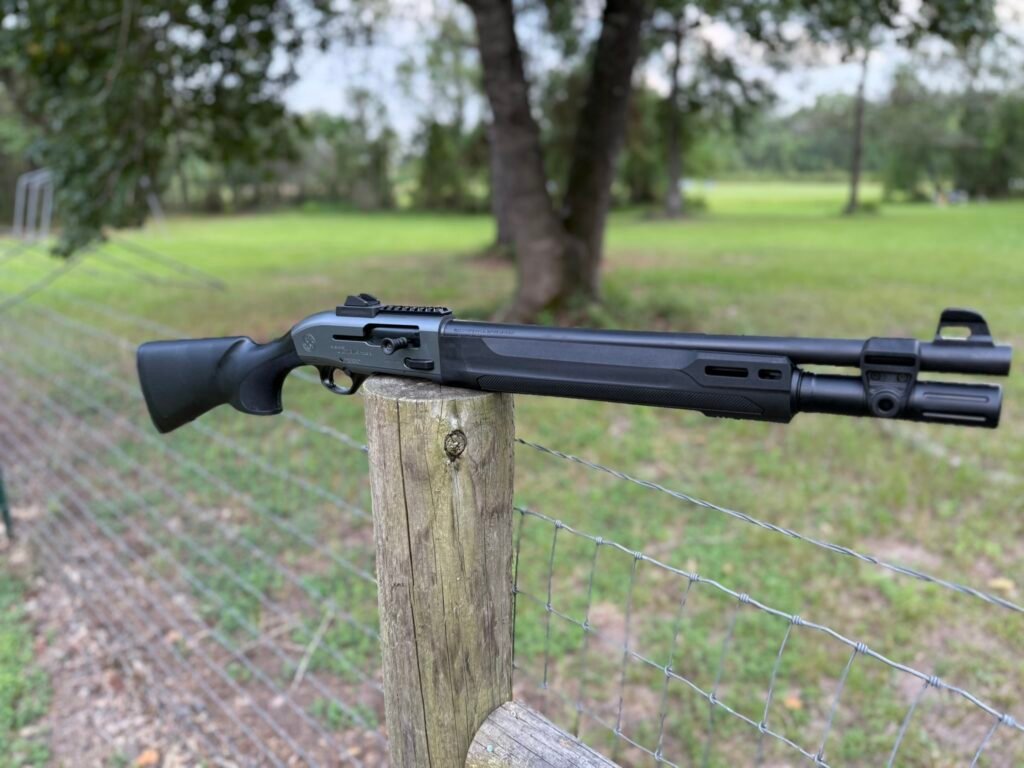
The downsides are real. Shotguns are long, often front-heavy, and can have significant recoil. Follow-up shots are slower, especially with a pump-action shotgun, and pump-action shotgun operation requires consistency under stress.
A shotgun can be an excellent home defense firearm, but only if its limitations are understood and accepted.
If you are weighing pump versus semi-automatic options, I cover those trade-offs in more detail in my guide to choosing a home defense shotgun.
Rifles and PCCs
Rifles and pistol-caliber carbines offer the greatest control, capacity, and accessory mounting options. They are generally easier to shoot accurately and allow the use of effective weapon-mounted lights and optics.
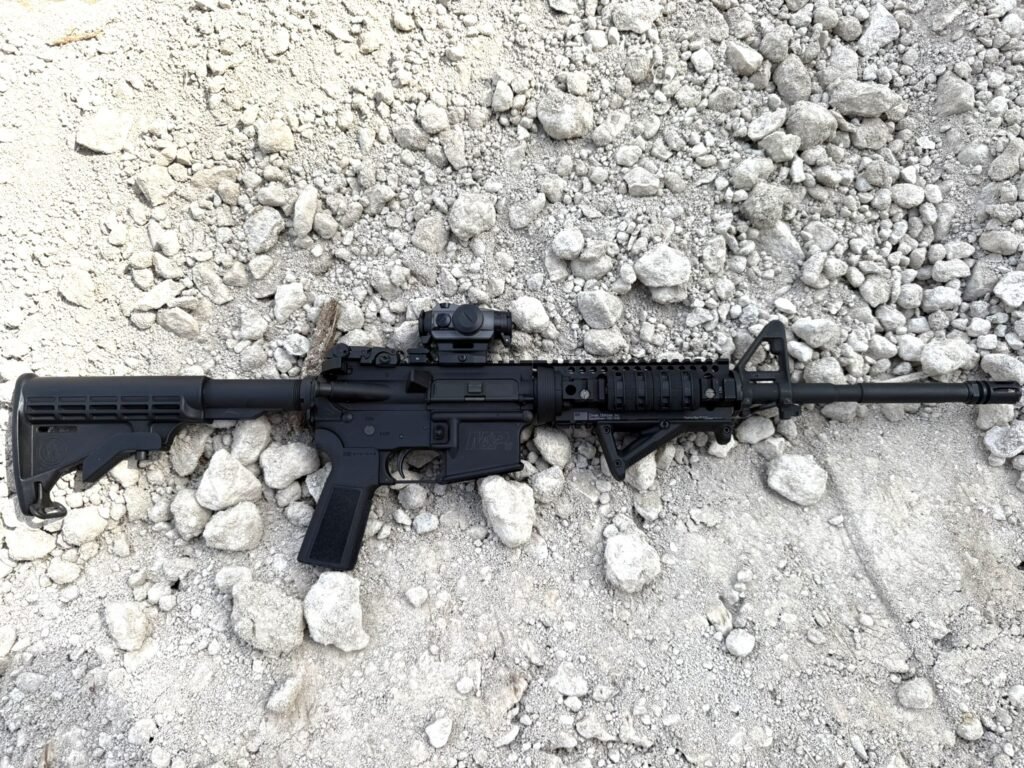
The most common concern with rifles indoors is penetration. This is a valid concern, but it needs to be discussed realistically rather than emotionally. Rifles also introduce storage and access considerations due to size.
Used responsibly, rifles and PCCs can be highly effective home defense tools.
The Grand Power Stribog is one example of a PCC that can be configured for home defense use.
Home Defense Ammo and Penetration
No ammunition is safe indoors. Any projectile capable of reliably stopping a threat is capable of passing through interior walls. Drywall offers concealment, not cover.
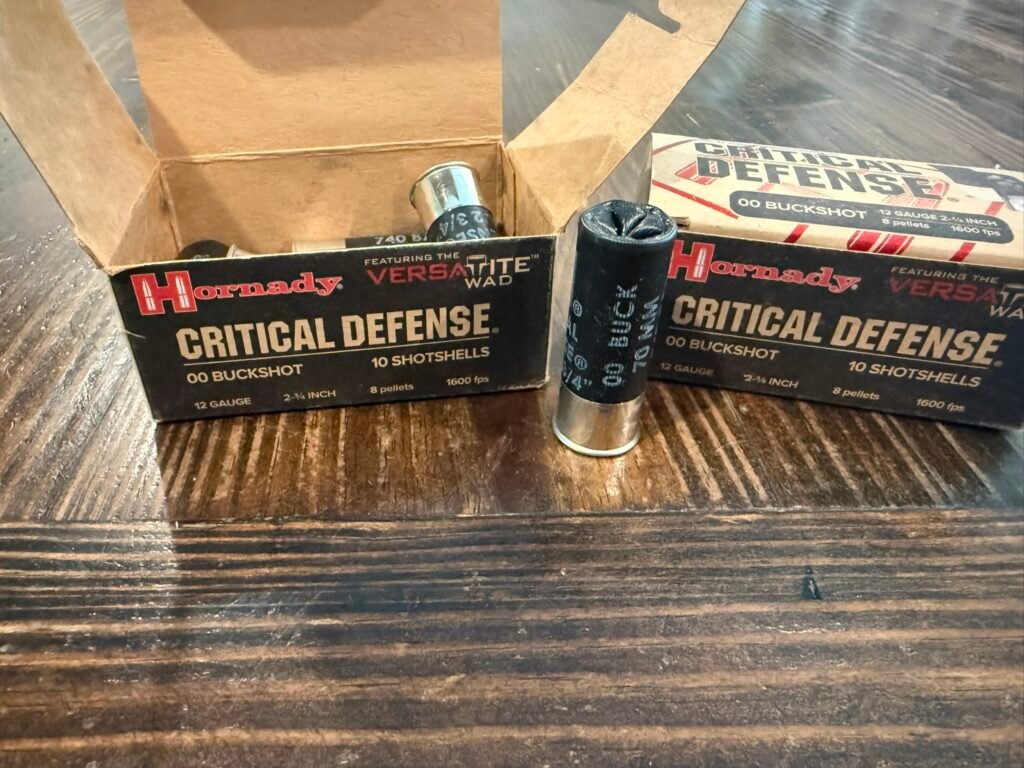
The purpose of choosing home defense ammo is not to eliminate penetration, which is impossible. The purpose is to balance reliable function, adequate terminal performance, and predictable behavior through common household barriers.
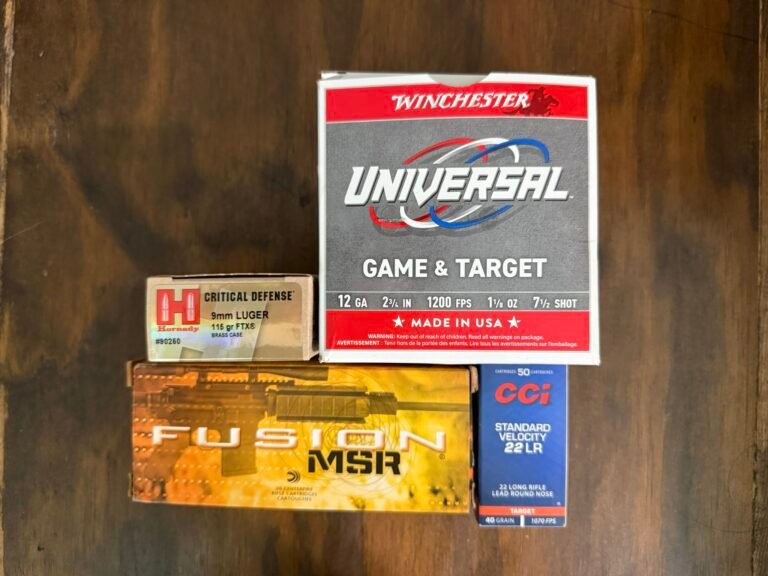
Reliability matters more than marketing claims. Ammunition should function flawlessly in your firearm. You should have fired enough of your chosen defense ammunition through your firearm to be confident it will function every time. Your life may depend on it. Also, understanding what your chosen load does through drywall, studs, and furniture is part of responsible planning, not fear-driven thinking.
Identification Requires Light
You cannot shoot what you cannot positively identify. This is not negotiable.
A weapon-mounted light allows you to illuminate and identify a potential threat while maintaining a firing grip. It is not about searching the house or pointing guns at everything. It is about making the correct decision in a low-light environment.
Handheld lights still have value and flexibility, but they require more coordination under stress. Many people ultimately choose to use both. It depends on context and individual circumstances.
A light is not a tactical accessory. It is a decision-making tool.
Optics and Sights Indoors
Indoors, simplicity wins. Sighting systems that are always ready and require minimal cognitive effort perform best under stress.
Iron sights still work and always will. Red dot optics can reduce visual workload and make accurate shooting easier in low light, especially for shooters with less-than-ideal eyesight.
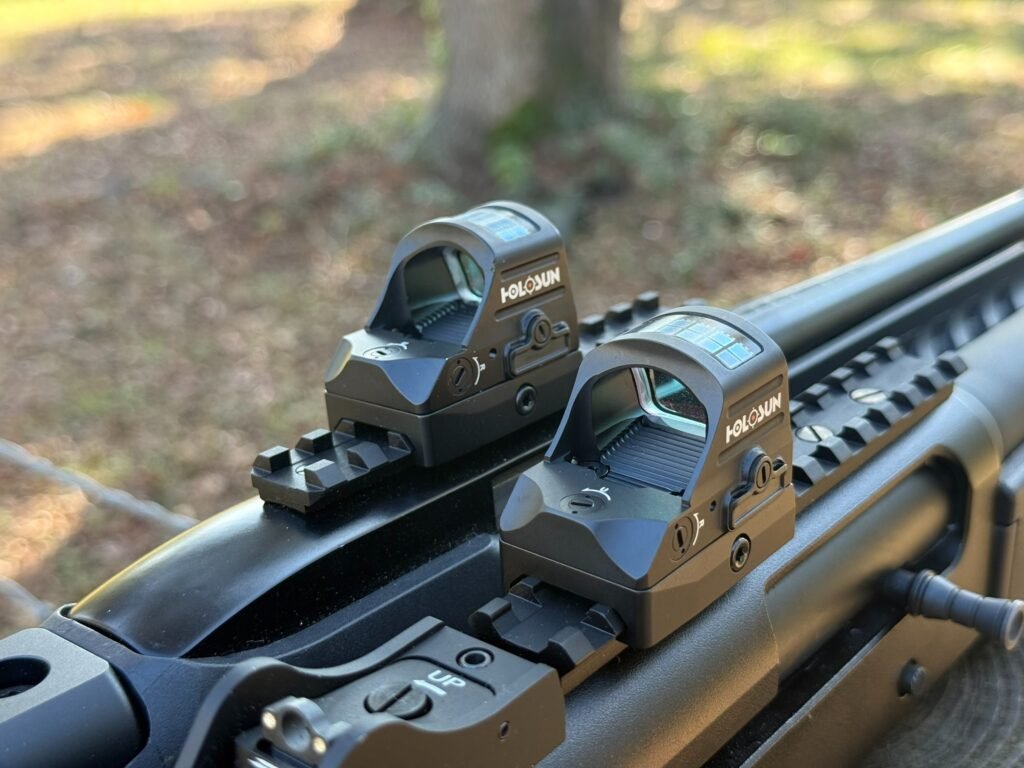
The best option is the one you can use instinctively without troubleshooting or adjustment.
The Holosun 507C is a good example of a simple, always-ready optic that works well in defensive settings.
Access and Storage
Any defensive firearm must balance two competing problems. Unauthorized access is a problem. Delayed access is also a problem.
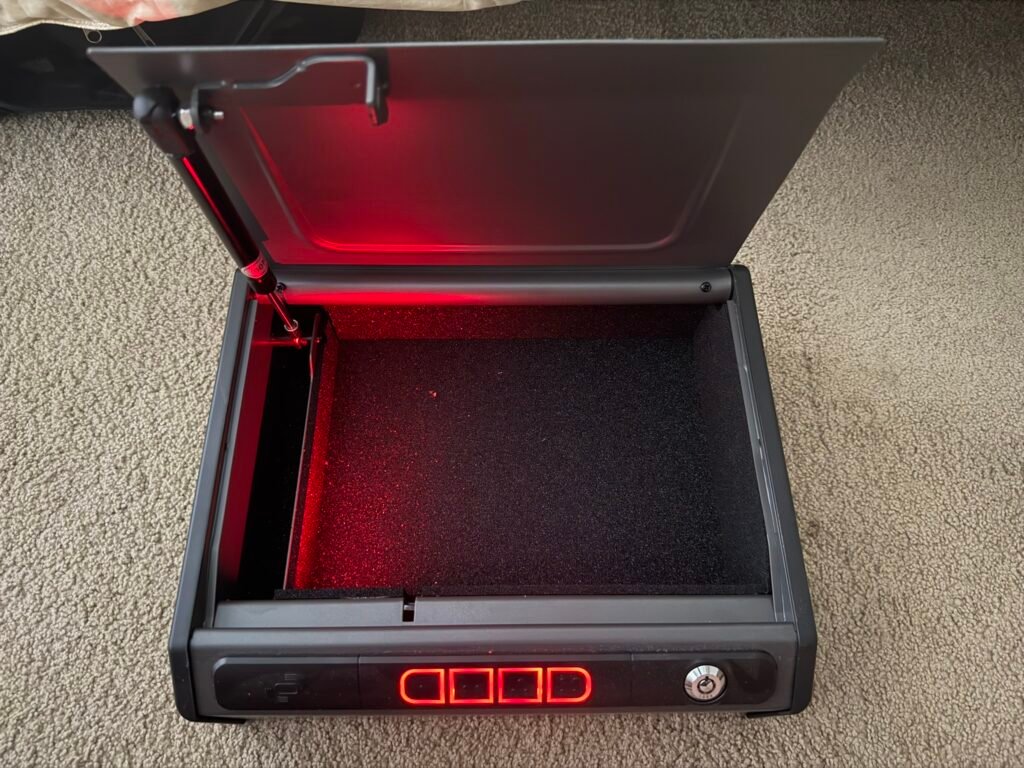
There is no universal answer, only informed tradeoffs. Quick-access storage solutions exist to address this balance. They are tools, not political statements. What matters most is consistency, placement, and reliability.
If a firearm is part of your home defense setup, you should be able to access it deliberately while preventing casual or unauthorized handling. That is basic competence.
Medical Gear Is Part of the Setup
If you are planning for violent emergencies, you are also planning for injury. That includes accidents, bystanders, and the aftermath of a defensive shooting.

Basic trauma gear is inexpensive, compact, and easy to stage. Tourniquets and pressure bandages solve real problems and belong in the same mental category as defensive equipment. Every firearm owner should have at least one Individual First Aid Kit, IFAK. I keep one with my shooting bag. Ideally, that is not the only fully stocked first aid kit at your house, but at a minimum, you need one with your range gear.
What a Simple Home Defense Setup Looks Like
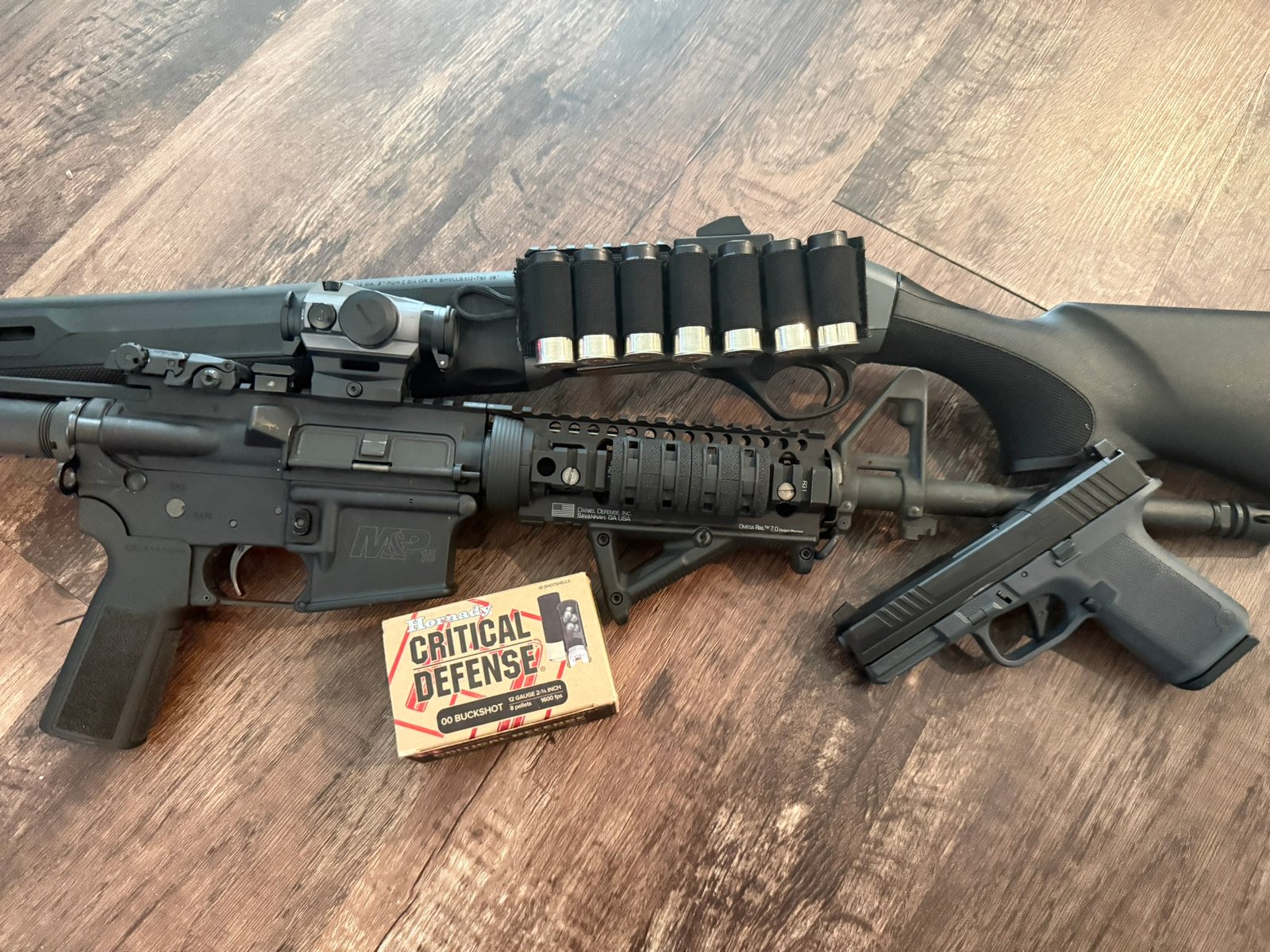
A solid home defense setup does not require exotic gear or constant upgrades. Below are three simple examples that illustrate how different platforms can be configured responsibly and effectively. Each example shows how a practical home defense setup combines a home defense firearm, appropriate home defense ammo, and a weapon-mounted light. These are example setups. You do not need to go out and purchase everything listed here.

Handgun-Based Setup
- Firearm: A duty-sized pistol, such as the Ruger RXM or Glock 17. If you already carry a compact pistol, using the same platform for home defense can simplify training and logistics.
- Ammo: Quality home defense ammo, Federal HST or Speer Gold Dot, for example, that has been function-tested in the pistol
- Light: Weapon-mounted light appropriate for handgun use, like a Streamlight TLR-7.
- Role: Maximum mobility and ease of access
Shotgun-Based Setup
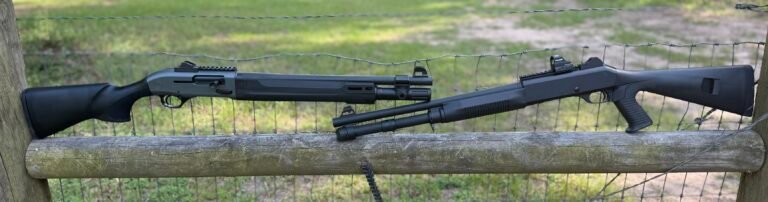
- Firearm: Beretta A300 Ultima Patrol
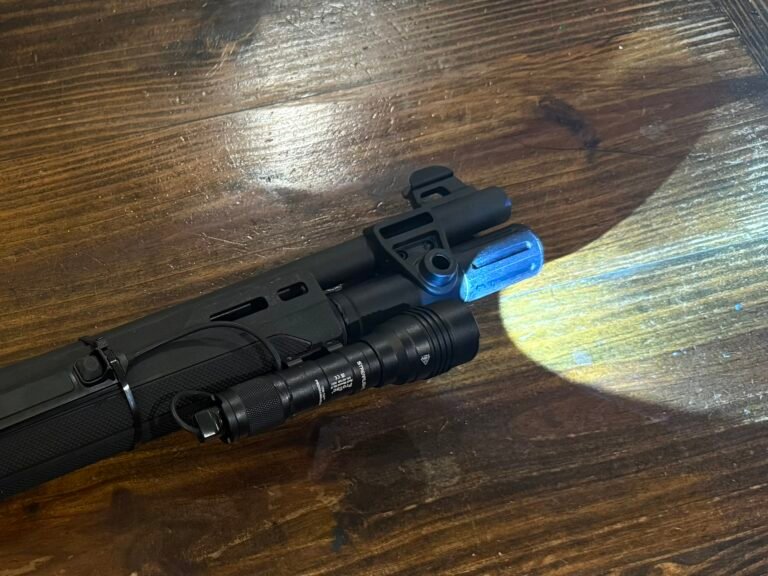
- Light: Streamlight ProTac Rail Mount HL-X with tape switch
- Ammo: Reliable defensive shotgun loads, like Hornady Critical Defense
- Support Gear: Esstac shotgun cards for spare ammunition
AR-Based Setup
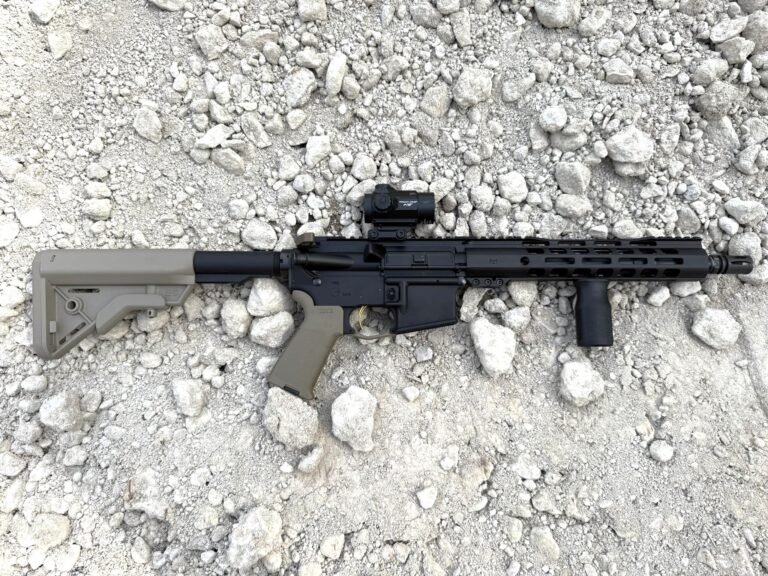
- Firearm: AR-pattern rifle configured for defensive use
- Optic: Red dot with shake awake like a Sig Romeo5, Vortex Sparc, Holosun 407C
- Light: Streamlight ProTac Rail Mount HL-X
- Ammo: Tested home defense ammo, like Speer Gold Dot
- Support Gear: A simple two-point sling
Thinking in Systems, Not Single Purchases
The most reliable home defense setups are boring. They are simple, repeatable, and built around habits.
Avoid chasing gear to solve training problems. Avoid changing platforms without reason. Revisit your setup when your living situation or family structure changes, not because a new product exists.
A good home defense setup does not draw attention to itself. It simply works when needed.
Last Words
A solid home defense setup is not built around fear, novelty, or chasing the latest product. It is built around realistic expectations, honest tradeoffs, and equipment you understand well enough to use under stress.
There is no perfect home defense firearm, no ammunition that defies physics, and no accessory that substitutes for judgment. What matters is choosing a platform you can operate competently, loading it with reliable home-defense ammo, and equipping it with tools to identify threats before you act. Everything else is secondary.
The most effective setups tend to look boring on paper. They are consistent, well-thought-out, and tested enough that nothing about them is surprising. They favor simplicity and reliability over complexity and cleverness.
Evaluate your own choices, identify weak points in your current setup, and make deliberate improvements where they actually matter. That is what a real home defense setup looks like.
Frequently Asked Questions
What is the best home defense firearm?
The best option is the one you can operate competently, access deliberately, and support with proper ammo, lighting, and training.
How do I balance access and security?
By choosing storage that prevents unauthorized access while still allowing deliberate, repeatable access for you.
Will home defense ammo go through walls?
Yes. All effective defensive ammunition can penetrate interior walls. Planning accounts for this reality.
Do I really need a weapon-mounted light?
You need a reliable way to identify what you are aiming at in low light. A weapon-mounted light is one of the most effective ways to do that.
How much training is enough?
Enough to operate your firearm safely and accurately under stress, and enough to know its limitations.