What Is a Pistol Brace and Why It Matters to You
A clear look at what a pistol brace is, how it works, and why it matters for shooters today. Learn how AR pistols, stabilizing braces, and current pistol brace laws affect responsible gun owners.

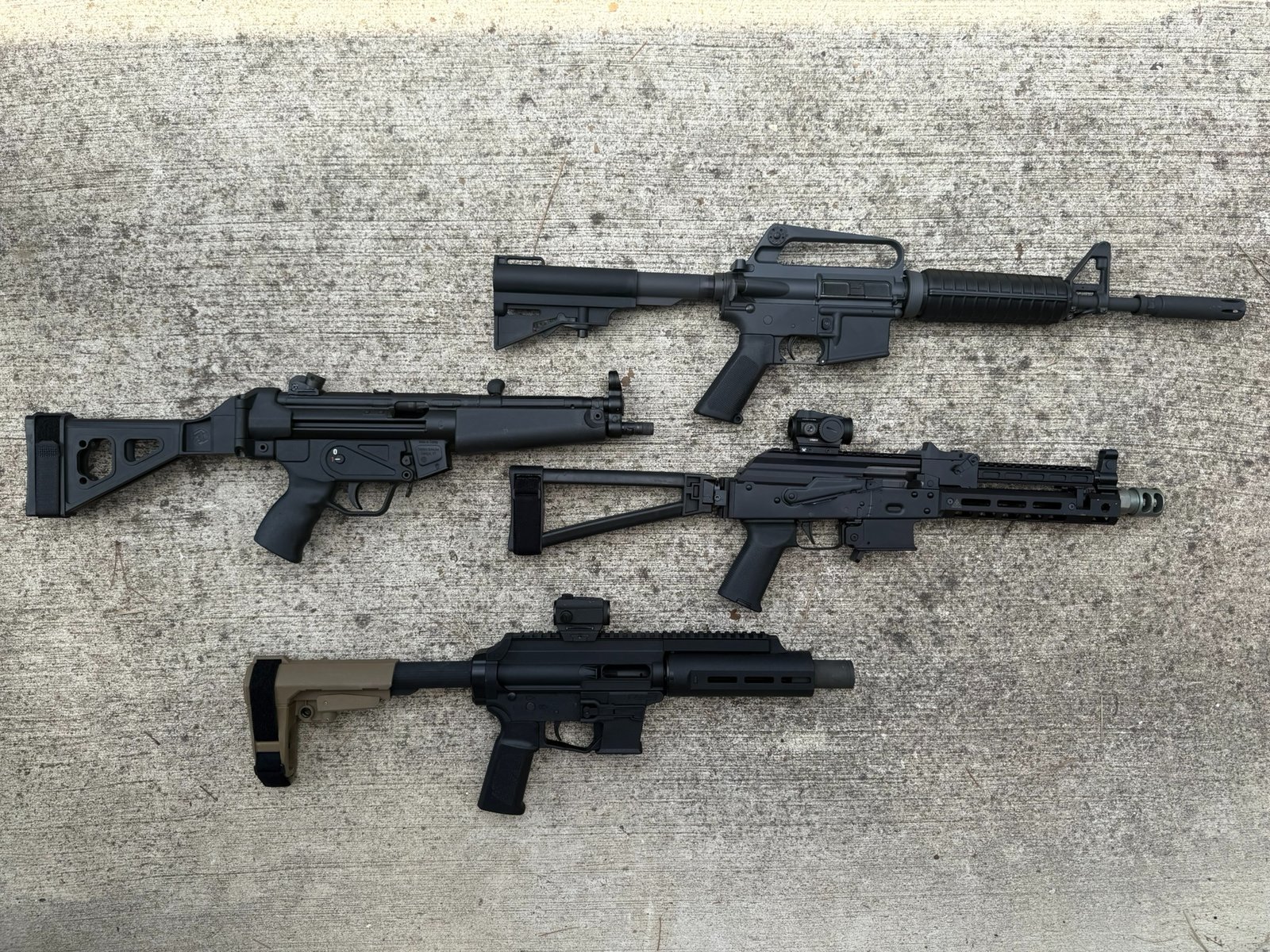
When pistol braces hit the market in 2012, they completely changed how we think about compact firearms. Designed by veteran Alex Bosco and first produced by SB Tactical, the pistol brace allowed shooters to safely and effectively handle AR-style pistols. The clear benefits of pistol braces meant they did not stay limited to ARs either. Before long, most large form “pistols” had braces developed for them. Pistol Caliber Carbines, for example, have greatly benefited from pistol braces. What started as a tool for disabled shooters quickly became a staple for anyone looking for better control and accuracy from a shorter firearm.
What Is a Pistol Brace?
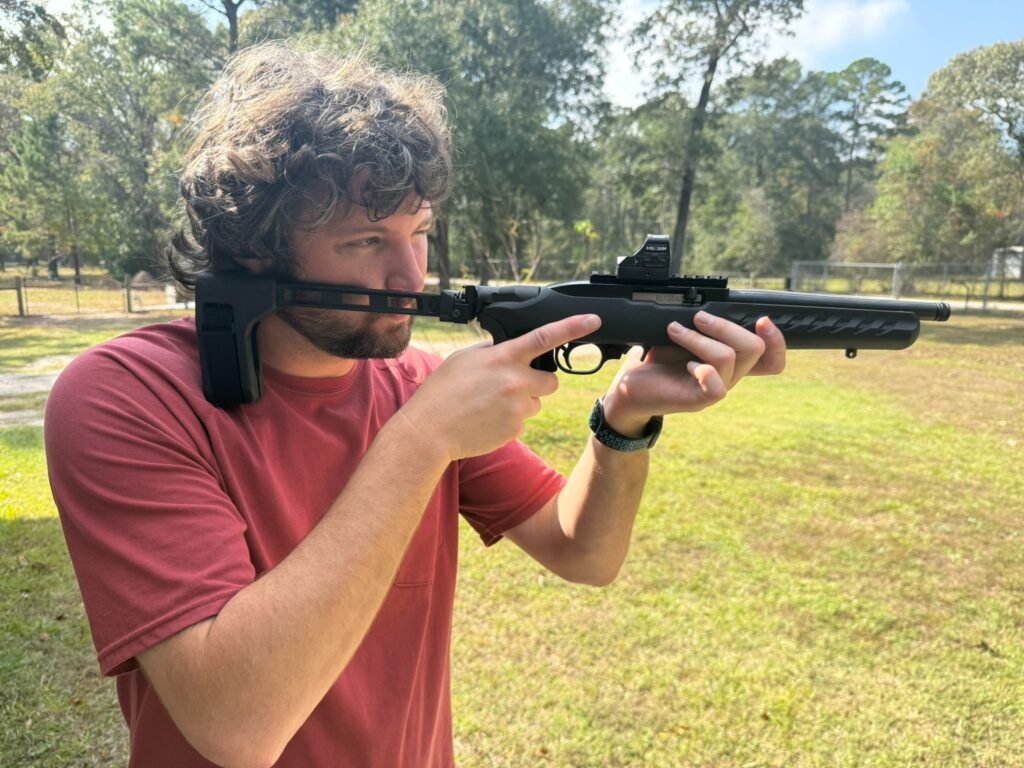
A pistol brace, often called a stabilizing brace, is an attachment that connects to the rear of a pistol, often an AR-style firearm, to improve control when firing with one hand. Unlike a traditional stock, a brace is meant to stabilize the firearm against the shooter’s forearm, not the shoulder.
The idea was simple: give disabled veterans and others with physical limitations a way to safely shoot larger pistols that were previously too heavy or unwieldy. Today, these braces come in a variety of materials and designs, from minimalist Velcro wraps to adjustable polymer systems.
Why Braces Matter
For shooters with limited arm strength or mobility, a stabilizing brace isn’t just an accessory; it’s freedom. It makes shooting safer, steadier, and accessible for people who might not otherwise be able to enjoy the sport.
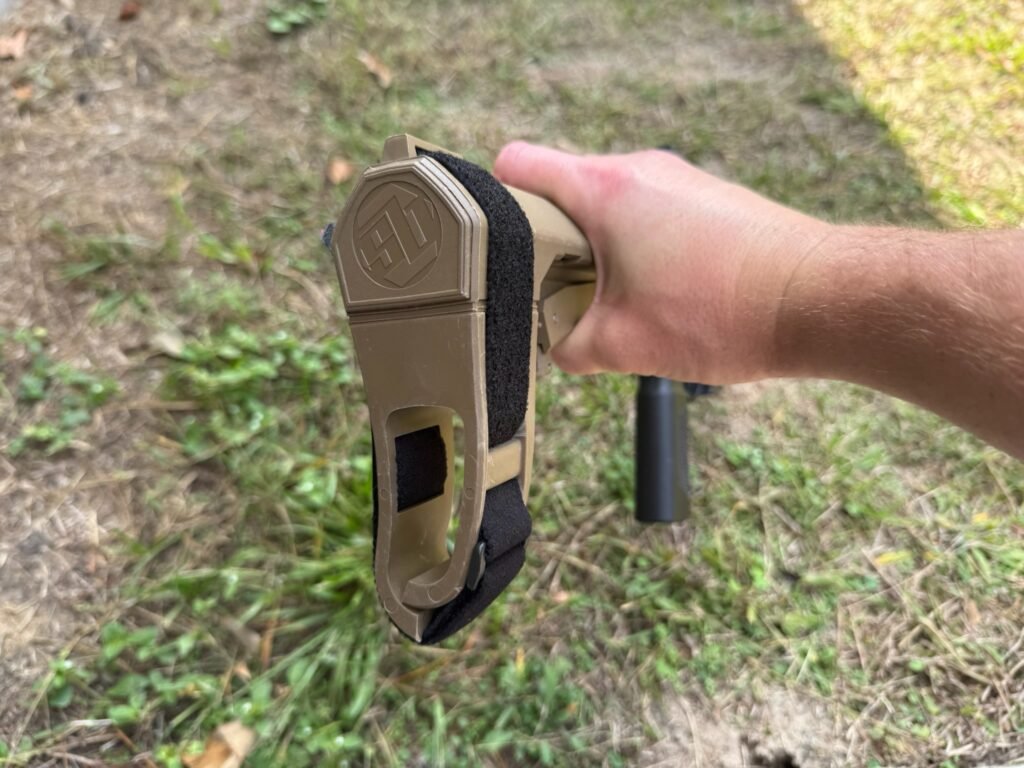
But even for fully non-disabled shooters, a brace offers tangible advantages. On AR pistols and AK pistols, it provides a second or third point of contact, improving control and accuracy without turning the gun into a full-length rifle. Anything that helps a shooter place rounds accurately and safely should be encouraged.
If you’re new to firearms, think of a pistol brace as the link between a traditional handgun and a rifle stock. It provides extra stability without the legal classification of a short-barreled rifle.
A Little History Behind the Rules
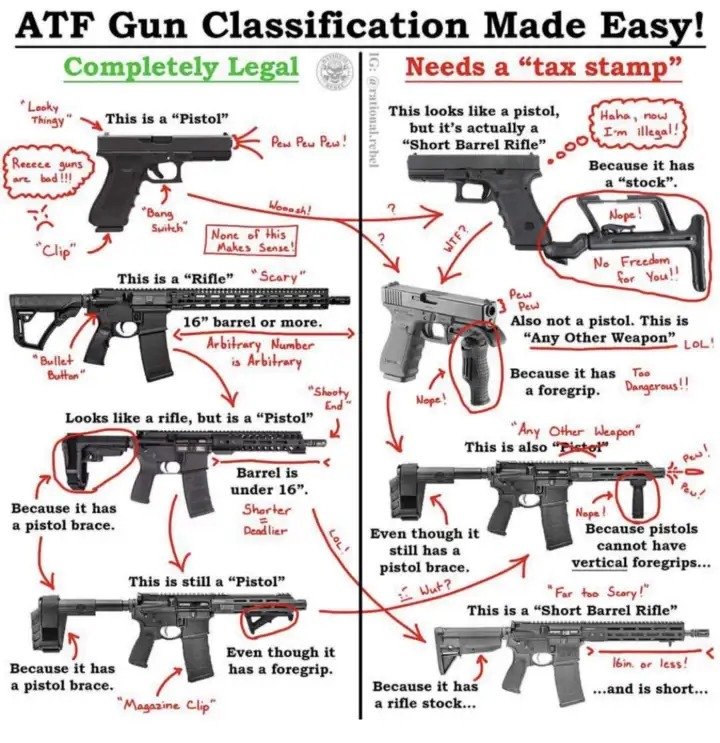
The confusion over pistol brace laws isn’t new. Back in 1934, the National Firearms Act (NFA) attempted to restrict and tax certain firearm configurations. Short-barreled rifles and shotguns were caught in the net, requiring a $200 tax stamp and ATF approval, an amount that would equal several thousand dollars today if adjusted for inflation.
Fast-forward to 2012, and the pistol brace appeared as a practical way for shooters to enjoy compact firearms without dealing with NFA paperwork. The brace made AR pistols more controllable, which made them explode in popularity.
But as with most firearm innovations, controversy followed. The ATF’s interpretation of what constitutes a pistol and an SBR has shifted more than once. Braces were approved, then questioned, then approved again. Today, they remain legal, though a shifting legal landscape means the rules could change again by 2026. Hopefully, 2026 will see a complete overturning of the NFA’s short-barreled rifle ban following the removal of the $200 tax stamp in 2025.
AR Pistols vs. SBRs
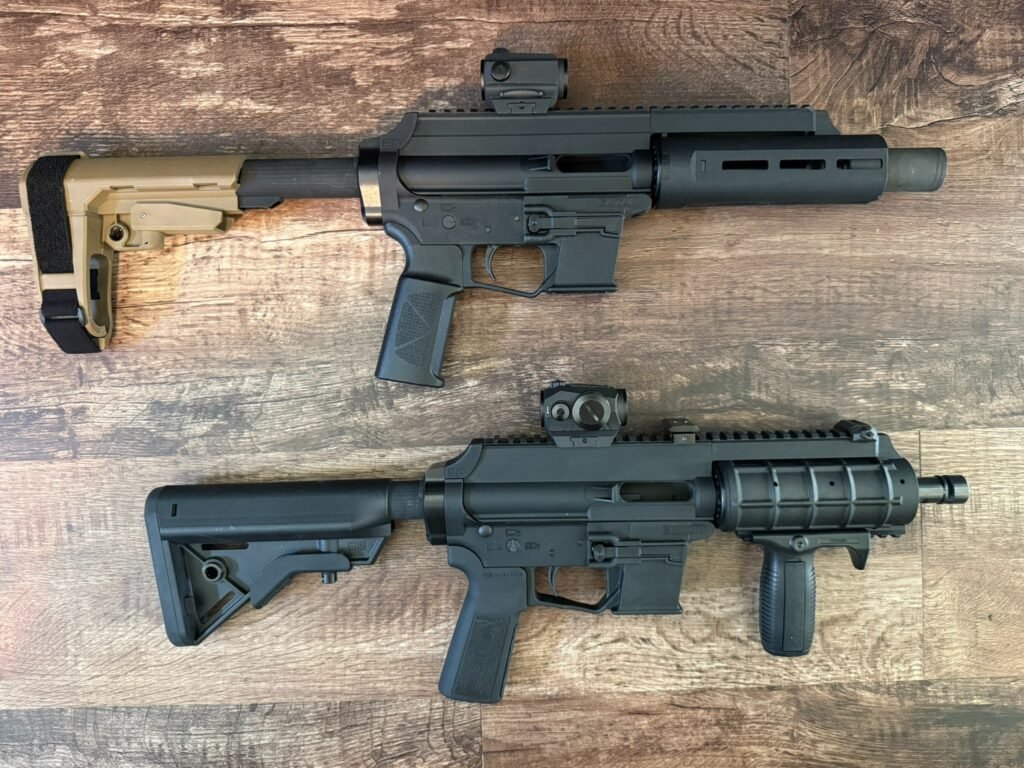
An AR pistol offers the compact performance of a rifle with a shorter barrel, often around 10.5 inches, while staying free from NFA registration. A short-barreled rifle (SBR), on the other hand, requires federal paperwork, fingerprints, a background check, and a $200 tax stamp, going away in 2026, before you can legally own it.
Both function nearly identically, sharing magazines, triggers, and optics. The difference lies in how the firearm is classified and how it’s equipped. A stock belongs on a rifle; a brace belongs on a pistol.
For most shooters, an AR pistol with a stabilizing brace delivers 90 percent of the handling benefits of an SBR without the legal headache. And when paired with a quality red dot, like the Holosun 407C X2, you’ll have a compact, accurate setup ready for range days or home defense.
The Legal Landscape Ahead
As of today, owning or using a pistol brace is legal under federal law. But court rulings and pending ATF regulations mean every shooter should stay aware of potential changes.
Several ongoing cases challenge the National Firearms Act’s authority to regulate SBRs following the removal of the government’s tax on them. Some states may eventually align with new federal interpretations, while others could push back. If new rulings arrive in 2026, they might affect how braces are defined or used, but for now, you can continue to enjoy them responsibly.
Always keep documentation of your firearm’s configuration and stay informed through reputable sources before making modifications.
Last Words
The pistol brace represents more than just another firearm accessory. It’s a bridge between practicality and freedom. It gives shooters, especially those with physical limitations, the ability to handle their firearms safely and accurately. And for the rest of us, it provides flexibility without red tape.
As someone who’s spent plenty of time behind both AR pistols and SBRs, I can tell you that braces have earned their place in modern shooting. Whether you’re punching paper at the range or keeping your firearm ready for protection, a brace can make a world of difference.